Top Four Reasons Prefab Tiny Houses That Will Be All the Rage in 2024
In 2023, it seems that everyone is buzzing about prefab tiny houses. And many believe that this trend will continue in 2024. These compact and stylish dwellings have taken the world by storm, becoming a symbol of the minimalist living trend that has captured our hearts and minds.
But what exactly makes these tiny homes so popular? Well, we’re here to unveil the top four reasons why prefab tiny houses will be all the rage in 2024. Let’s explore why everyone is jumping on board this small-space revolution.
Minimalist Living Trend
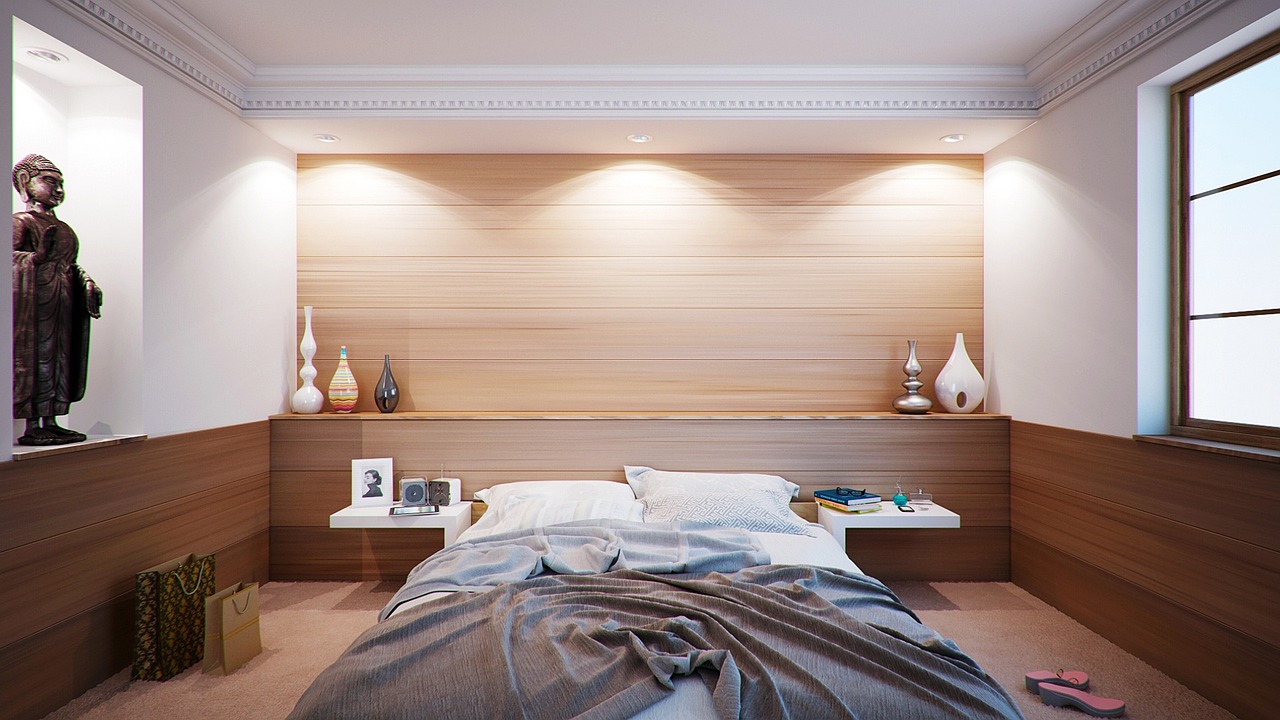
 Imagine living in a clutter-free space, sleek and simple design, and only the essentials. That’s the essence of minimalist living, a trend that has taken over our homes and lifestyles in 2024. Gone are the days of excessive consumerism and filling our lives with unnecessary stuff. People are now embracing the concept of less is more.
To find out about this concept, go to https://www.msn.com/de-de/nachrichten/nachrichten/braucht-man-im-jahr-2023-noch-einen-architekten-für-den-hausbau/ar-AA1eAqVF. One major driving force behind this trend is the desire for a more peaceful and stress-free existence. By paring down possessions to just what we truly need and love, we create an environment that promotes calmness and clarity of mind. Minimalist living encourages us to prioritize experiences over material possessions, leading to a greater sense of fulfillment. Not to mention, it also brings a positive impact on sustainability.
Sustainable and Eco-Friendly Appeal
Sustainable living has become an increasingly important consideration in recent years, and the appeal of prefab tiny houses lies in their eco-friendly features. As mentioned, these compact homes are designed to minimize environmental impact while maximizing efficiency. One major advantage of prefab tiny houses is their use of sustainable materials. In addition to the use of sustainable materials, prefab tiny houses often incorporate energy-efficient systems. And let’s not forget how the fact that these houses are small in size means fewer resources for maintenance and overall energy consumption.
Affordability and Cost-Efficiency
Compared to traditional houses, prefab tiny houses come at a fraction of the price. Their compact size means fewer materials are needed during construction, resulting in lower costs. Additionally, many prefab companies offer customizable options that allow homeowners to choose features within their budget. But it’s not just the initial cost that makes these tiny homes appealing; they also bring long-term savings. With smaller square footage comes reduced energy consumption. Prefab tiny houses often incorporate eco-friendly features like solar panels and energy-efficient appliances, further minimizing utility bills.
Mobility and Versatility
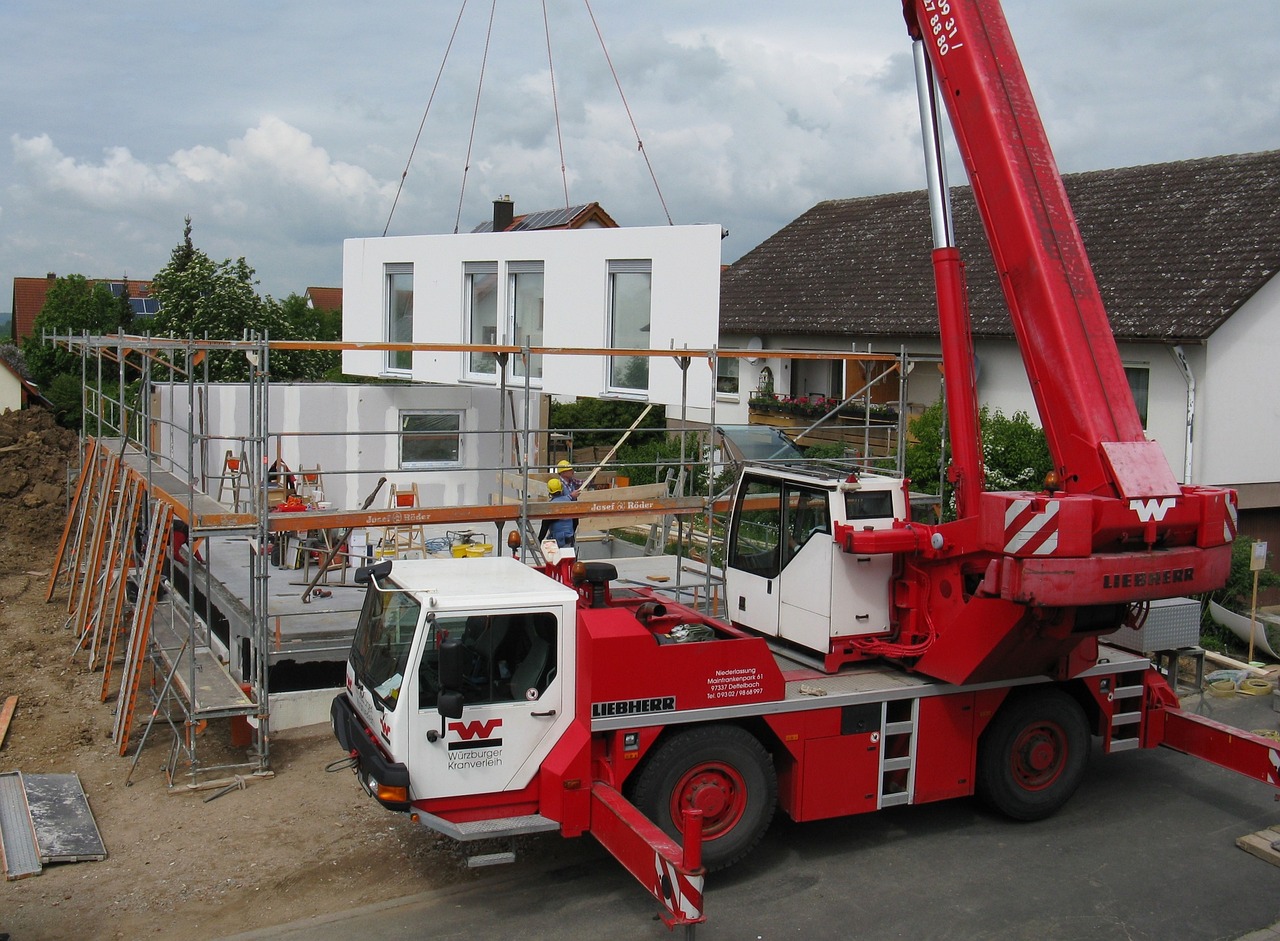
 Mobility is also another major advantage of prefab tiny houses. With their compact size and lightweight construction build, these homes can easily be transported to different locations. Whether you want to live in the heart of the city or on a serene piece of land in the countryside, your tiny house can go wherever you desire.
Prefab tiny houses offer incredible versatility when it comes to design and layout. The modular nature of these homes allows for customization options that suit individual needs and preferences. Want an open-concept living space …