Home

How to Seamlessly Integrate Your TV Into Any Room Design

Imagine transforming your living space into a stylish sanctuary where every element harmonizes beautifully. One of the biggest challenges in achieving this is integrating your television seamlessly into the room’s design. Instead of letting it dominate the space, you can make it an elegant part of your decor. With clever strategies and creative solutions, you can turn that large black screen into a stunning focal point or discreetly blend it with your surroundings. From built-in furniture to intelligent color choices, there are numerous ways to enhance both function and aesthetics without compromise. Let’s explore how you can elevate your room while keeping entertainment at your fingertips.

Use Built-in Furniture

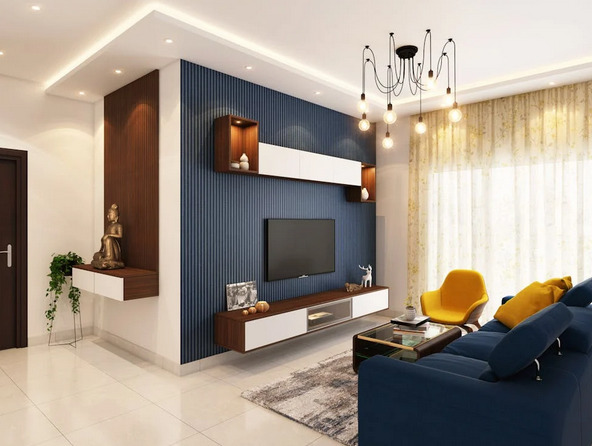
One of the most effective TV setp up Ideas to integrate your TV into a room is by using built-in furniture. Custom cabinetry can provide both style and functionality, creating a cohesive look. Consider designing shelves that frame your television. This elevates the visual appeal and offers storage for books, decor, or even gaming consoles. Another option is incorporating your TV into an entertainment center that matches other furnishings in the space. A well-crafted unit allows you to blend technology with aesthetics seamlessly. Built-ins can be designed to complement architectural features.

Frame Your TV
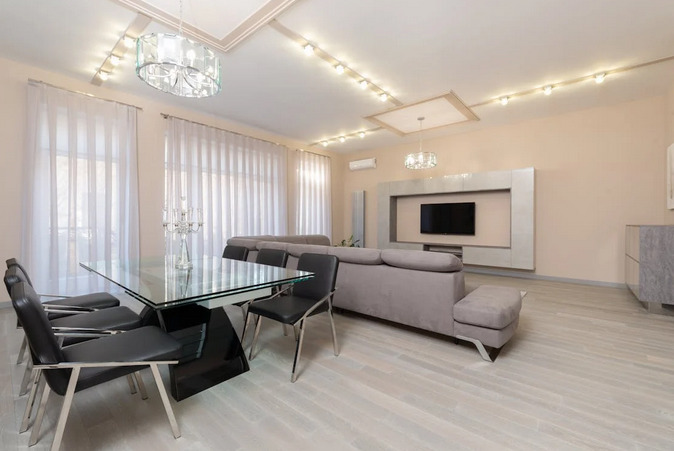
frame

Framing your TV can transform it from a mere gadget into a stunning piece of art. Consider using custom frames that complement your room’s decor. A well-chosen frame can blend seamlessly with the bookshelf or wall gallery around it. Think about different materials, too. Wood offers warmth, while sleek metal adds a modern touch. You could also opt for a canvas print surrounding the screen to create an immersive experience. Artwork on either side of the TV can enhance its presence without overshadowing it.

Incorporate Color and Texture

Color and texture can transform the way your TV fits into a room. Think about how these elements interact with each other. Choose hues that complement your space. If your walls are soft neutrals, consider a bold frame for your TV to add contrast. Alternatively, a minimalist black or white setup can blend seamlessly with modern decor. Textures play an essential role, too. Surrounding the television with textured materials like wood or fabric can create depth and interest. A decorative wall panel made of reclaimed wood adds warmth while making the TV feel less stark.
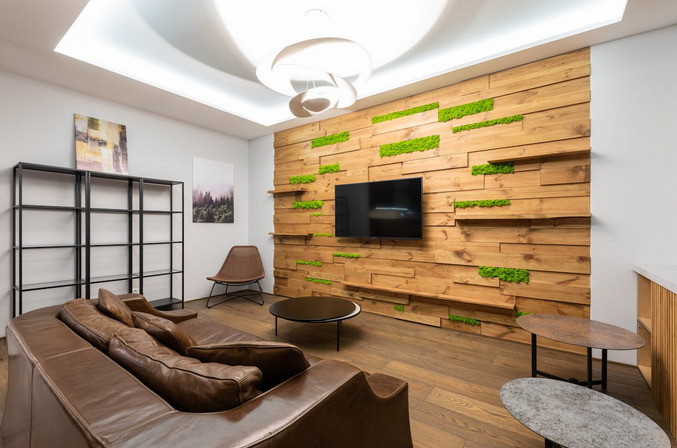
colors

Conceal Cables and Wires

Cables and wires can be an eyesore in any room. They disrupt the flow of your design and draw unwanted attention to your TV setup. Fortunately, there are clever ways to hide them. Start by using cable management systems that can run behind walls or furniture. These solutions keep cords out of sight while maintaining easy access when needed. If you prefer a less permanent solution, decorative boxes work wonders. You can place these stylish containers on shelves or side tables to disguise unsightly cables.

Integrating your TV into any room design can transform the entire space. You create a cohesive look that elevates your home’s aesthetic by implementing built-in …

Home

Innovative Tools for Optimizing Building Ventilation Systems

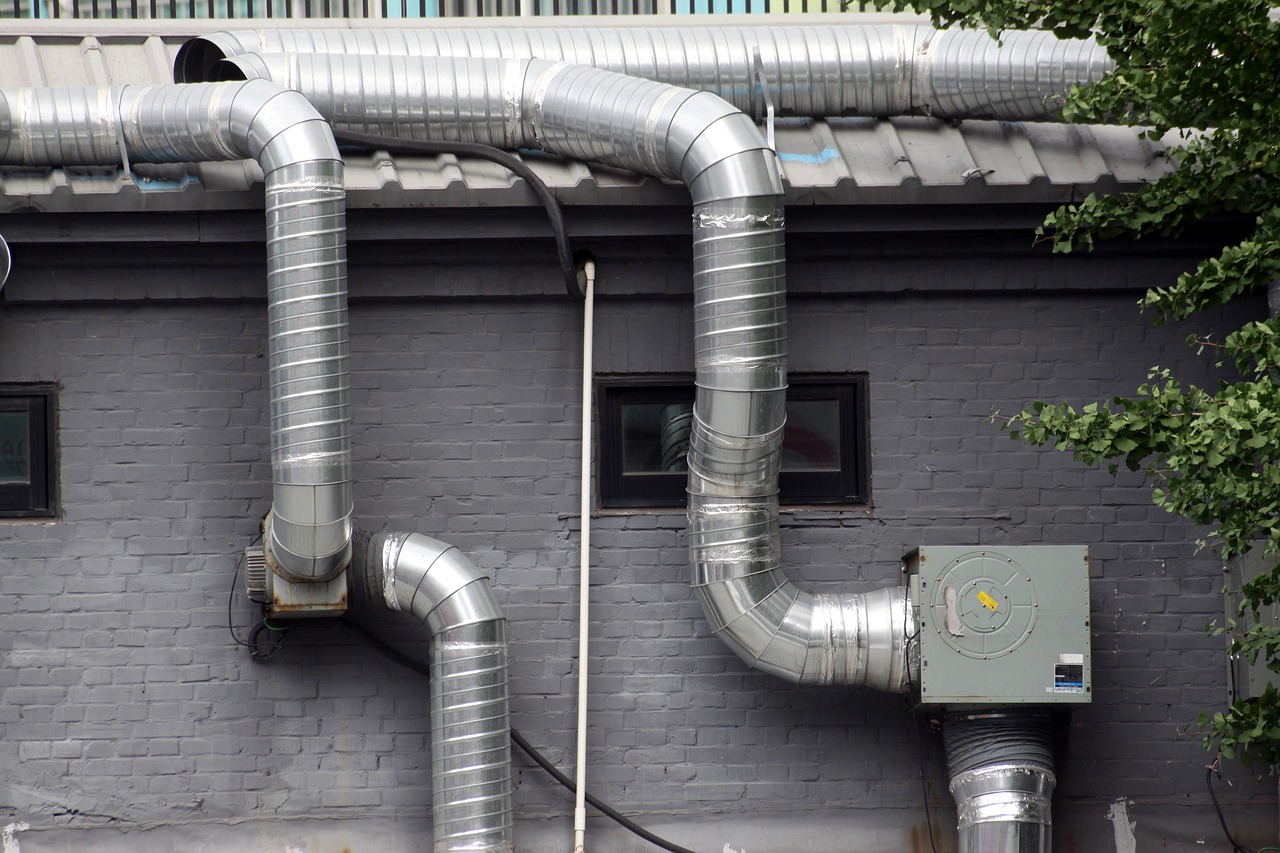
In today’s rapidly advancing technological landscape, optimizing building ventilation systems is more crucial than ever. Proper ventilation improves indoor air quality, enhances energy efficiency, reduces costs, and ensures a healthier environment for occupants. With the rise of smart technologies, building managers have access to innovative tools that provide precise control and monitoring of ventilation systems. Here are top tools that are leading the way in optimizing building ventilation systems.

Radon Sensors

Radon is an odorless, colorless gas that can seep into buildings from the ground. Long-term exposure to large amounts of radon is a leading cause of lung cancer. That’s why it’s crucial to Mål radon i hjemmet and schools, workplaces, and other residential buildings. Modern radon sensors, like the SPIRIT radon sensor, continuously monitor radon levels and provide real-time data. This data allows for immediate adjustments to ventilation systems, ensuring that radon levels remain within safe limits. The sensor’s ability to quickly detect changes in radon levels means that ventilation systems can be optimized to maintain air quality without unnecessary energy expenditure.

Carbon Dioxide (CO2) Sensors

CO2 sensors are vital for maintaining good indoor air quality. High levels of CO2 can lead to drowsiness, impaired cognitive function, and overall discomfort. These sensors detect the concentration of CO2 in the air and adjust the ventilation system accordingly. By maintaining optimal CO2 levels, building managers can ensure the indoor environment remains comfortable and conducive to productivity. Additionally, CO2 sensors help reduce energy consumption by avoiding over-ventilation, which can occur when systems operate based on outdated or inaccurate information.

Demand-Controlled Ventilation (DCV) Systems

Demand-controlled ventilation (DCV) systems automatically adjust the amount of fresh air brought into a building based on the occupancy level. These systems rely on sensors that detect temperature, humidity, and CO2 levels to determine the necessary ventilation rate. DCV systems reduce energy usage and improve indoor air quality by optimising the amount of fresh air introduced. This tool is particularly effective in spaces with variable occupancy, such as conference rooms, auditoriums, and classrooms, where the number of occupants can change frequently.

Energy Recovery Ventilators (ERVs)

Energy Recovery Ventilators (ERVs) are designed to reduce energy loss by capturing and reusing the energy from exhaust air. ERVs transfer moisture and heat between incoming and outgoing air streams, reducing the need for additional heating or cooling. This improves the ventilation system’s efficiency and contributes to a more consistent indoor climate. By incorporating ERVs into ventilation systems, building managers can attain significant energy savings while maintaining optimal indoor air quality.

Building Management Systems (BMS)

Building Management Systems (BMS) are central control systems that manage various building operations, including ventilation, heating, and lighting. A BMS integrates data from multiple sensors, including radon, CO2, and temperature sensors, to optimize the ventilation system’s overall performance. By providing a comprehensive overview of the building’s environment, a BMS enables building managers to make informed decisions, automate processes, and ensure that all systems work together efficiently.

Optimizing building ventilation systems is critical for maintaining a healthy, comfortable, and energy-efficient …

Home

The Latest Innovations in Sustainable Construction Practices

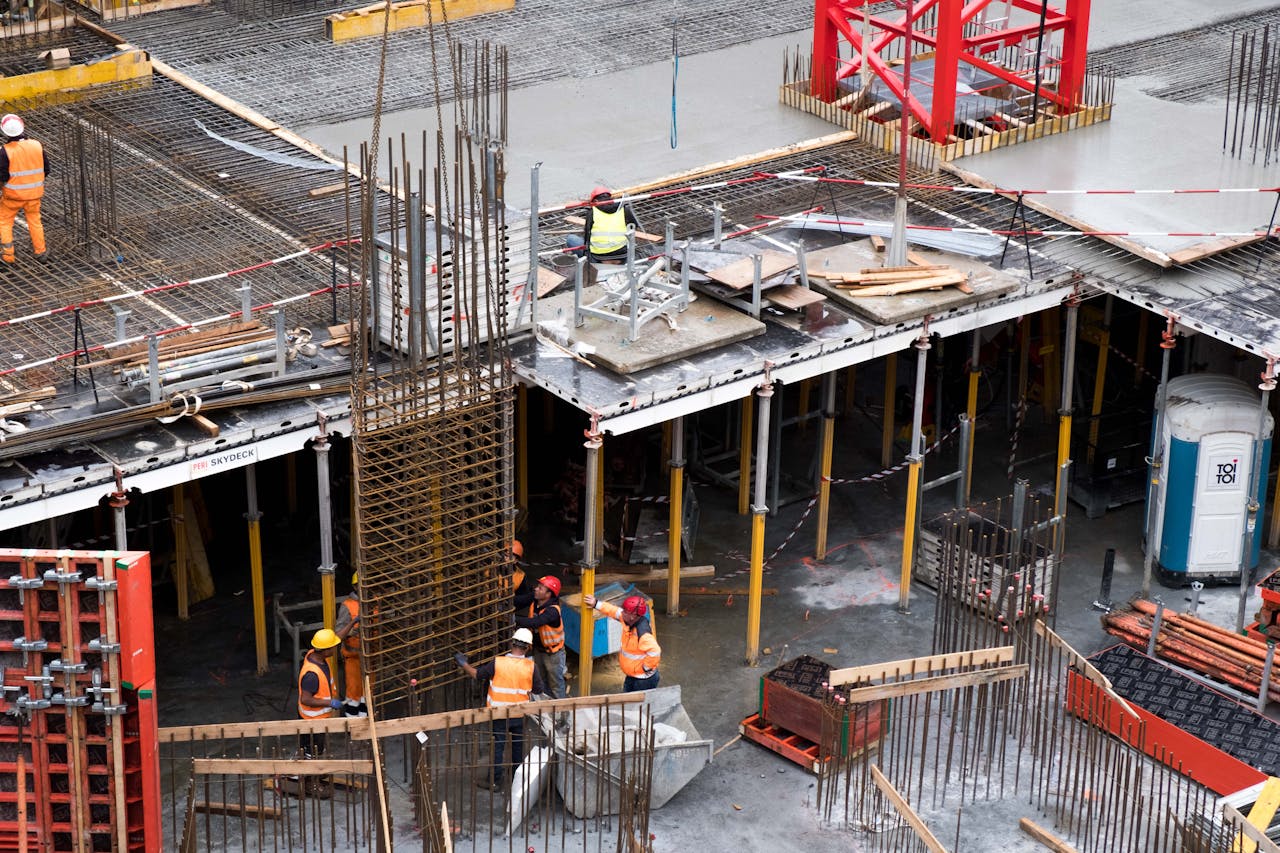
Welcome to the exciting world of sustainable construction. In a time when environmental consciousness is at an all-time high, the building industry is stepping up its game with innovative practices that reduce our carbon footprint and create healthier spaces for us to live and work in. From green materials to energy-efficient systems, let’s delve into the latest advancements shaping the future of construction. However, with all these innovations, it will only be useful if there is enough construction staff to work on projects. If you want to know how it can affect the industry, visit https://ratgeber.blauarbeit.de/dienstleister/personalmangel-bau. So, buckle up as we explore how sustainability meets creativity in building design.

Green Building Materials

When it comes to sustainable construction, the choice of materials plays an important role in reducing environmental impact. Green building materials are sourced responsibly, have minimal carbon footprint during production, and can be recycled or reused. One popular option is bamboo, known for its rapid growth and durability.

Recycled steel is another eco-friendly alternative that helps reduce waste while providing structural strength. Additionally, using reclaimed wood adds character to a building and prevents deforestation. For insulation purposes, natural materials like cork and wool are gaining popularity for their thermal properties and renewable sourcing.

Passive Design Strategies

Passive design strategies are a game-changer in sustainable construction, harnessing the power of nature to create comfortable and energy-efficient buildings. By strategically placing windows to maximize natural light and ventilation, buildings can reduce their reliance on artificial lighting and HVAC systems. By using thermal mass materials like concrete or brick, it helps regulate indoor temperatures by absorbing and releasing heat slowly, reducing the need for heating or cooling. Additionally, proper insulation ensures that the building retains heat in winter and stays cool in summer without excessive energy consumption. Shading elements such as overhangs or louvers can prevent overheating during peak sunlight hours while allowing natural light to filter through. Coupled with efficient orientation based on the sun’s path throughout the day, passive design strategies optimize comfort levels while minimizing environmental impact.

Energy-Efficient Systems

Energy-efficient systems are revolutionizing the construction industry by significantly reducing energy consumption and lowering utility costs for building owners. These innovative technologies, from smart thermostats to solar panels, are designed to optimize energy usage while minimizing environmental impact. One of the key components of energy-efficient systems is advanced insulation materials that help regulate indoor temperatures and reduce the need for heating and cooling appliances. Also, high-performance windows with low emissivity coatings can prevent winter heat loss and minimize summer heat gain. Renewable energy sources like solar power are increasingly integrated into building designs to generate electricity on-site, further reducing reliance on traditional grid power. Energy recovery ventilation systems capture and reuse waste heat or cool air from exhaust streams to improve indoor air quality while conserving energy.

Green Roofs and Living Walls

Green roofs and living walls are not just trendy design elements; they are vital in sustainable construction practices. Green roofs, covered with vegetation, help reduce heat …
Home

Sustainable Living Made Easy: Exploring the Environmental Benefits of Prefabricated Homes

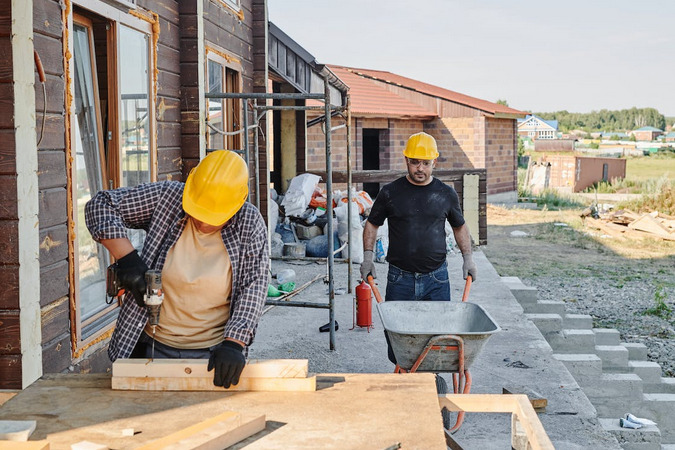
In today’s world, sustainability and eco-friendly practices are becoming increasingly important. Prefabricated homes, also known as prefab or modular homes, offer numerous environmental benefits that make them a sustainable living choice. These homes are constructed using efficient manufacturing processes and eco-friendly materials. In this article, we will explore four key factors that contribute to the environmental benefits of prefabricated homes. For more in-depth information and resources on home-related topics, you can also visit hausmagazin.com.

Energy Efficiency

Prefabricated homes are designed with energy efficiency in mind. They often incorporate sustainable building practices and features such as improved insulation, energy-efficient windows, and high-performance HVAC systems. The controlled manufacturing process allows for precise installation of insulation and sealing, minimizing air leaks and reducing energy consumption. Additionally, many prefab homes can be customized to include renewable energy sources like solar panels, further reducing reliance on fossil fuels and decreasing carbon emissions.

Reduced Waste and Resource Conservation

The construction of modular homes typically generates less waste compared to traditional stick-built homes. In a factory setting, excess materials can be recycled or reused, minimizing waste sent to landfills. Moreover, because prefab homes are precision-engineered, there is less need for over-ordering materials, thus conserving resources. This reduction in waste and resource conservation contributes positively to the environment and promotes sustainable living practices.

Sustainable Materials

Prefabricated homes often use sustainable and eco-friendly building materials. Manufacturers prioritize sourcing materials that are renewable, recycled, or low-impact. For instance, structural components made from sustainably harvested timber or engineered wood products are commonly found in prefab homes. The use of eco-friendly materials reduces the carbon footprint associated with construction. Additionally, manufacturers may emphasize the use of non-toxic paints, adhesives, and finishes to create healthier indoor air quality for the home’s occupants.

Efficient Construction Process

The construction process of prefab homes is highly efficient, resulting in reduced environmental impact. The manufacturing takes place in a controlled factory environment, where materials can be precisely measured and utilized. This minimizes on-site waste and prevents unnecessary disturbances to the surrounding environment. Additionally, the reduced construction time translates to less air and noise pollution compared to the longer construction periods typically seen with traditional homes. Efficient construction practices contribute to sustainable living by conserving resources and minimizing the ecological footprint.

Prefabricated homes offer numerous environmental benefits that make them an attractive choice for sustainable living. With energy-efficient designs, reduced waste and resource conservation, the use of sustainable materials, and an efficient construction process, prefab homes contribute to a greener future. By choosing a prefab home, individuals can play an active role in reducing carbon emissions, promoting resource conservation, and supporting eco-friendly practices.…