Home

Is Your Home Ready for 2026? The Most Popular Upgrades Homeowners Are Planning Now

Preparing a home for the future can feel like juggling paint samples, bank statements, and wish lists all at once. In fact, in most cases, crane hire is a component of renovating. If you want to avoid surprises, digging into smart updates early is a lifesaver. Before diving into upgrades, read on. A wave of homeowners is already mapping out their 2026 improvements. Some want bigger comfort. Others want energy savings. And some just want their space to finally match the life they’re actually living. Whatever your reason, planning now keeps you one step ahead of stress.

Energy Smarts Are Becoming the New Normal
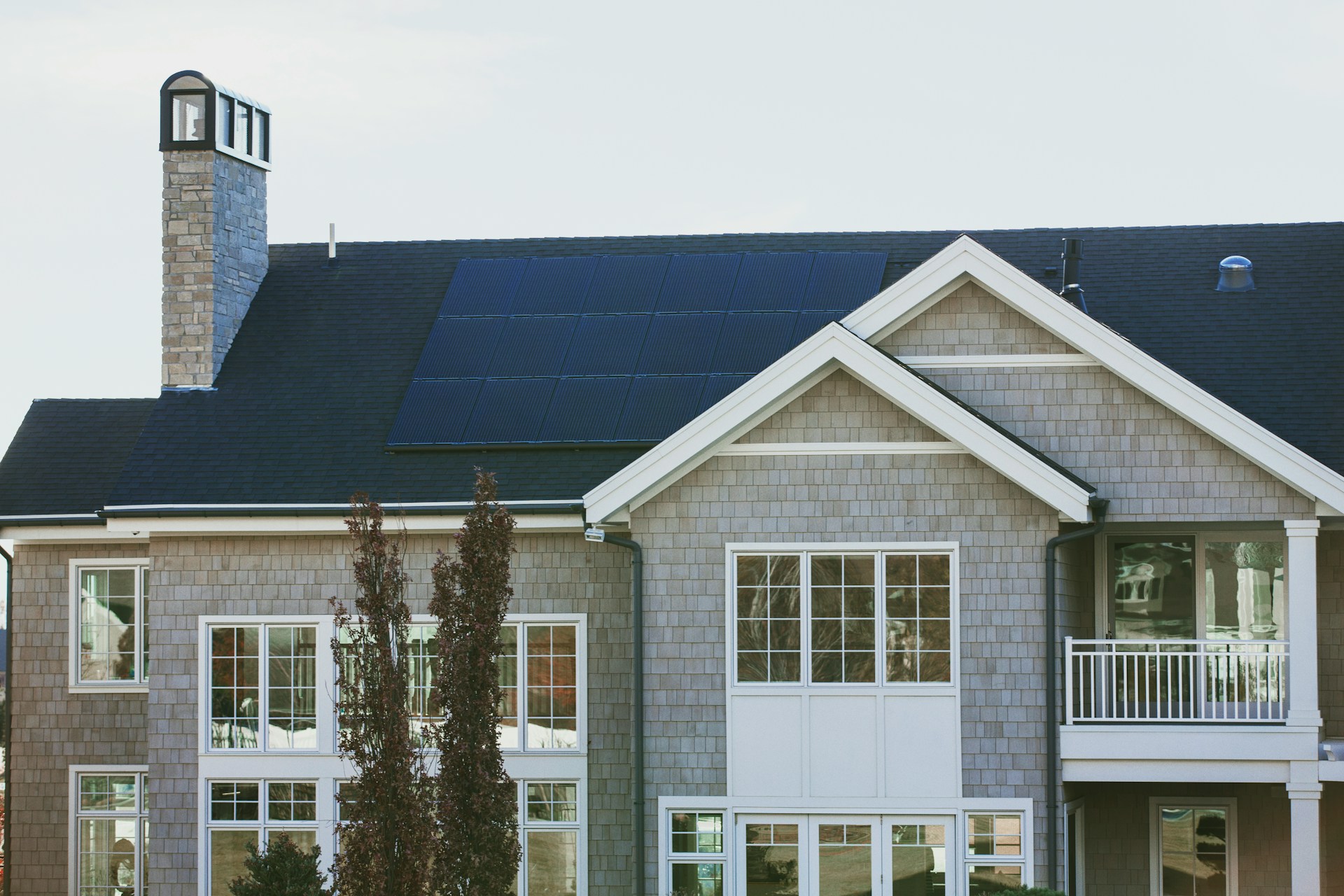
house Electric bills aren’t getting friendlier, but homeowners are getting smarter. Solar panels, advanced insulation panels, and heat pump systems top many project lists. People like these because they cut long-term costs without creating complicated routines. It’s the kind of upgrade future buyers love too. In many cases, smart thermostats and efficient lighting create an instant change. Tiny swaps can make a home feel calmer and less wasteful. One homeowner told me he saved more cash from switching bulbs than he’d expected, calling it “the chillest upgrade ever.” It’s proof that small additions can spark big shifts.

Kitchens Built for Real Life, Not Showrooms

Kitchen updates remain a favorite for 2026. Folks are ditching shiny-but-impractical setups and choosing gear that actually holds up. Think sturdy countertops, induction cooktops that heat fast, and cabinets that don’t slam like a door in a storm. These choices make daily routines smoother. The trend leans toward personal comfort instead of keeping up with whatever a design magazine says is “in.” With more at-home cooking than ever, people want spaces that feel friendly and easy to clean. Sometimes, smaller really means smarter.

Outdoor Living That Extends the Home
extension

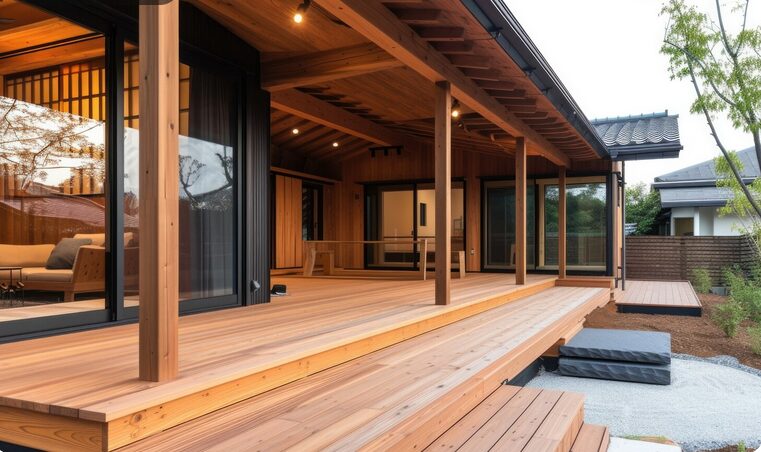
More homeowners want yards that feel like bonus rooms. Deck extensions, cozy seating nooks, and shade structures are projects already being penciled into 2026 budgets. It’s a simple way to breathe extra life into any property. Gardens are shifting too. People are choosing plants that thrive without daily babysitting. Add a few solar lanterns, and you get a mood without the electric bill spike. These touches turn even small yards into calming escapes.

Storage That Stops the Chaos Before It Starts

storage Clutter can make a home feel tense before the day even begins. That’s why storage upgrades are soaring in popularity. Built-in shelves and closet redesigns help people keep their space functional instead of frantic. It’s a quiet upgrade, but it pays off constantly. Garages are seeing glow-ups as well. Folks are installing cabinets, simple workbenches, and ceiling racks that give everything a place to live. No more tripping over holiday boxes or random sports gear at sunrise. A tidy garage is a gift you don’t realize you needed until it’s done.

2026 home upgrades aren’t about giant makeovers—they’re about practical steps that make life better day by day. If you’re mapping out changes, start early, stay curious, and invest in improvements that …


Home

First Impressions Start at the Fence: Outdoor Features That Sell

When it comes to selling a home, first impressions can make or break a deal. Before a potential buyer even steps inside, they’re already forming an opinion—starting with what they see outside. The fence, landscaping, lighting, and layout all send a message about how the property has been cared for and what kind of lifestyle it offers. The good news? You don’t need a massive budget to make your outdoor space shine. Even small, thoughtful upgrades can make your property stand out in the market.

Fences Are an Affordable Way to Upgrade Your Property

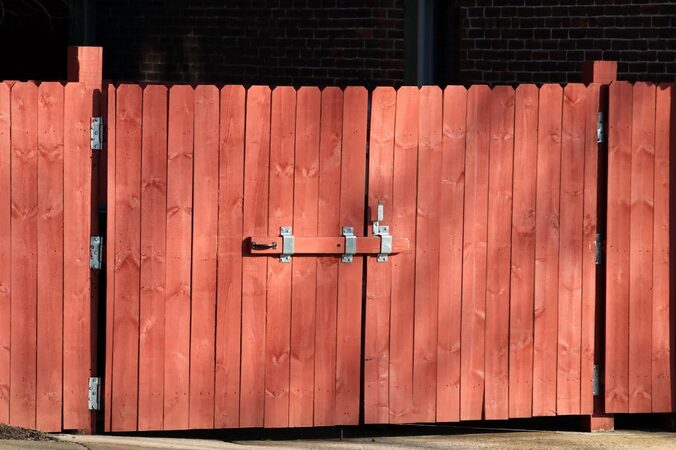
Fences are one of the first things buyers notice, and they do more than just define the property line. A fence that’s clean, sturdy, and well-maintained suggests the entire home has been looked after. On the flip side, a sagging or weather-worn fence can instantly lower a buyer’s confidence. For sellers on a budget, there are plenty of low-cost privacy fence ideas that can refresh the space without a full replacement. Painting or staining an existing fence, adding decorative lattice panels, or installing a few tall shrubs in front of a chain-link fence can make a huge visual difference at a minimal cost.

Landscaping Adds Value

landscaping

A well-kept yard is one of the simplest ways to boost curb appeal. Clean edges, healthy grass, and trimmed bushes help a home feel polished and welcoming. You don’t have to go overboard with expensive plants or complicated layouts—just keeping things neat and intentional goes a long way. Consider planting low-maintenance greenery or adding mulch to flower beds for an instant refresh. Buyers love seeing a yard that looks easy to care for but still offers outdoor enjoyment.

Outdoor Lighting Sets the Mood

Lighting can change the entire feel of a property, especially for evening showings or listing photos. Soft, warm lights along walkways, fences, or patios create a cozy, inviting atmosphere. Motion sensor lights also appeal to buyers looking for safety and convenience. Solar-powered options are especially popular with today’s eco-conscious buyers—and they’re budget-friendly, too. A little lighting goes a long way in making your home look more modern and cared for.

Functional Outdoor Spaces Are a Bonus

white couch outside

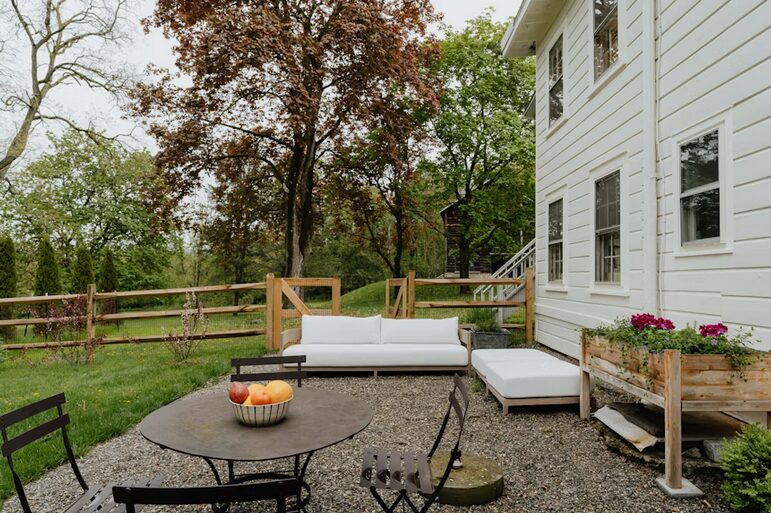
Today’s buyers aren’t just looking at square footage inside the house—they’re thinking about how they can use the outdoor space, too. A simple patio with seating, a small fire pit, or even a tidy corner with garden boxes can feel like an extension of the living area. You don’t need a full outdoor kitchen to make an impact. Showing that your yard is usable and thoughtfully arranged helps potential buyers picture themselves living there.

Tidy Details Make All the Difference

It might seem minor, but little things like a clean mailbox, fresh house numbers, or a newly painted gate latch can really enhance a first impression. Buyers notice these small touches, and they subconsciously build trust in the condition of the rest of the home. If the outside is well-maintained, they’re more likely to expect the same inside. These …

Home

Ecological Home Renovation: How to Retrofit Existing Houses Sustainably

Sustainable housing is no longer just for new builds; existing homes are joining the movement. Reports like those on https://www.wz.de/ratgeber/haus-und-garten/oekologisches-bauen-ein-blick-in-die-zukunft_aid-111635403 highlight how older properties can be upgraded without tearing them down. Retrofitting lets homeowners keep their space while cutting energy waste and creating healthier living environments.

Improving Insulation for Lasting Comfort

Insulation is one of the first steps to upgrading an older home sustainably. Adding insulation in walls, attics, and under floors helps reduce energy loss, meaning less reliance on constant heating or cooling. The result is a home that feels warm in winter and cooler in summer without skyrocketing bills. For many, this upgrade also improves soundproofing, making the home quieter and more peaceful. It’s like wrapping your house in a blanket that works year-round. With the right materials, insulation can have a big impact while remaining eco-friendly.

Switching to Renewable Energy Sources

house

Another retrofit that’s becoming common is the switch to renewable energy. Solar panels are the obvious choice, but small wind turbines and geothermal heating systems also make an appearance in some projects. These changes cut down on fossil fuel use and shrink monthly energy costs over time. While the upfront price can feel steep, many homeowners find incentives or rebates that soften the blow. Think of it as planting an orchard—you invest once, and it keeps producing. Over the years, the savings on energy bills can make up for the initial spend.

Upgrading Windows and Doors

Old windows and drafty doors are notorious for wasting energy. Double or triple-glazed windows and modern, sealed doors make an immediate difference in both comfort and efficiency. Beyond energy savings, they also reduce noise from outside and improve overall security. This kind of upgrade may not be flashy, but it’s incredibly practical. Most homeowners notice the benefits right away, from steadier indoor temperatures to lower energy bills. It’s like giving your house new eyes that see better and breathe less.

Water Efficiency Retrofits

Reducing water waste is another crucial piece of sustainable renovation. Low-flow showerheads, dual-flush toilets, and water-efficient taps help minimize everyday consumption without sacrificing comfort. Some homeowners go further by installing rainwater harvesting systems to reuse water for gardens or flushing. Small changes like these add up over time, both financially and environmentally. A dripping tap may seem minor, but it can waste gallons over a year. Retrofits focused on water efficiency help prevent that loss while making homes more self-sufficient.

Choosing Sustainable Building Materials

bamboo

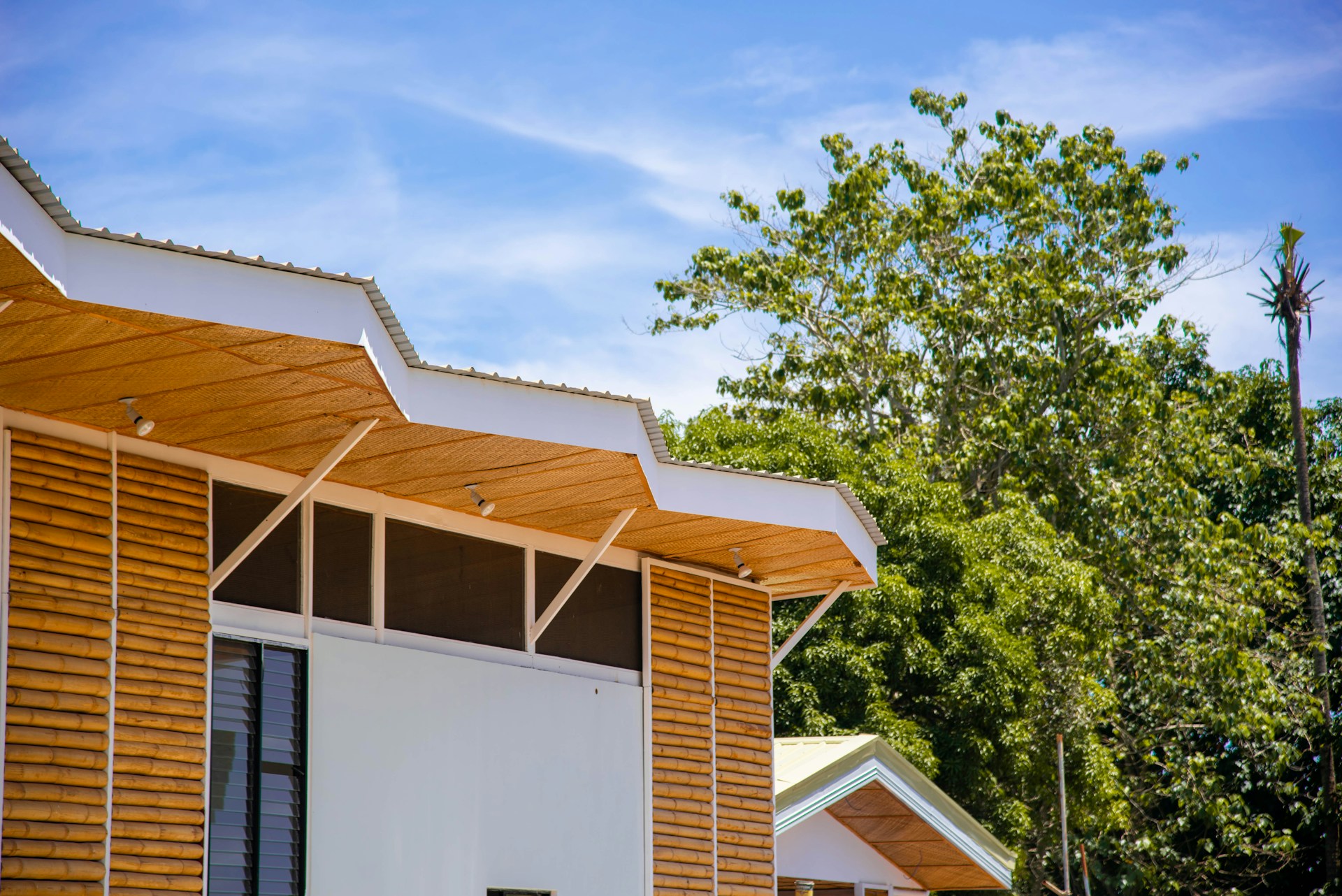
When retrofitting, the choice of materials matters as much as the design. Recycled wood, bamboo, reclaimed stone, and other natural products reduce the environmental footprint of construction. They also bring warmth and character to spaces that modern synthetic materials can’t replicate. Homeowners who think creatively often find affordable and stylish options through reclaimed suppliers. It’s not just about reducing waste—it’s about giving old materials a second life. The charm of a recycled beam or stone wall can’t be replicated by new products.

Ecological retrofits are changing the way people think about older homes. …

Home

Smart Ways to Simplify Your Next Home Move

Moving house is one of those life events that can feel both exciting and nerve-wracking. For anyone searching for practical support, a service like a man and van in Richmond can make a huge difference. Still, even with help, a smooth move requires some planning and clever strategies. The key is to approach moving like a step-by-step project instead of a chaotic rush. A few well-thought-out habits can help you save energy, reduce stress, and even keep a smile on your face along the way. Read on, and we’re going to spill some proven tips to make your moving day a breeze.

Pack Smart and Label Everything

packing

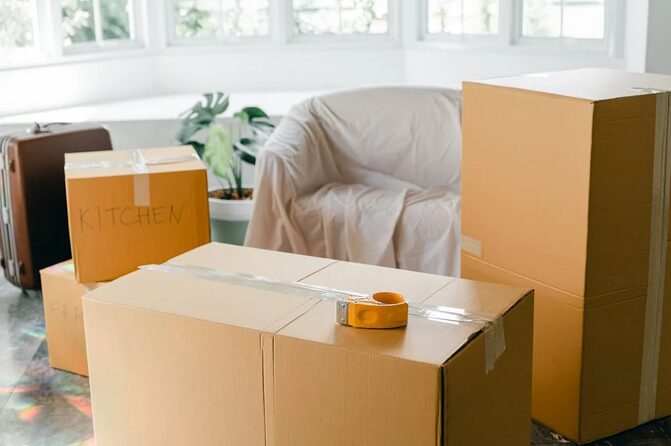
The way you pack can make or break your moving day experience. Sturdy boxes, bubble wrap, and clear labels will save you from endless rummaging. Keep essentials like toiletries, phone chargers, and snacks in a separate bag for quick access. Label each box by room and content. This small step saves hours when unloading, because you’ll know exactly where things belong. It also keeps fragile items safer since you can mark boxes that need extra care.

Declutter Before You Pack

Packing less is always easier than packing more. Go through each room and separate items into keep, donate, or discard piles. Old gadgets, unused clothes, or duplicate kitchenware can weigh you down unnecessarily. Think of decluttering as a reset button for your home. You’re not just moving stuff—you’re curating what truly matters for the next chapter of your life. A lighter load also means quicker unpacking once you arrive.

Use Professional Help for Heavy Lifting

service

While friends and family might lend a hand, some jobs are best handled by professionals. Trained movers can lift large furniture and navigate tight corners without damage. They also arrive with equipment like dollies and straps to make the process smoother. Hiring help means fewer injuries and less strain on your body. Plus, it allows you to focus on supervising the move instead of hauling everything yourself. Peace of mind is worth the investment.

Background Support Matters More Than You Think

Behind every successful move, there’s usually some hidden support system. Whether it’s a reliable mover, a neighbor holding the door, or someone watching your kids for a few hours, every little bit adds up. Think of it as teamwork that keeps the stress in check. Allowing others to help doesn’t make you less capable—it makes the entire move more efficient. Even small acts, like someone labeling boxes while you wrap dishes, can speed up the process.

Settle Into Your New Space Gradually

settle

Once you’ve arrived, resist the urge to unpack everything in one night. Focus first on the rooms you’ll use the most, like the bedroom and kitchen. A functional space to sleep and eat will keep you comfortable while you tackle the rest. Unpacking gradually also gives you time to decide where things truly belong. Sometimes, your initial plan shifts once you live in the space for a few days. This slower approach helps your new …

Uncategorized

Preventing Wood Rot and Insect Damage Through Regular Fence Staining on Your Property

Wooden fences offer both function and beauty. They define space, guide movement, and add character to a property. But wood doesn’t last forever on its own. Constant exposure to sun, rain, and soil creates the perfect environment for rot and insect activity. Without protection, even treated wood can break down over time. Once deterioration starts, repairs can be costly and time-consuming. That’s why fence staining matters on farms prevention is simpler, and staining plays a big role in that.

What Causes Wood Rot?

Wood rot is caused by fungi that thrive in damp conditions. When wood stays wet for extended periods, it softens and becomes the perfect host. Fungal spores settle in and begin to break down the fibers. You’ll first notice discoloration, then softness, then eventual crumbling. Posts that touch the soil or sit in shaded areas are especially vulnerable. Rain and humidity make it worse. Regular staining helps block moisture from seeping in, which cuts off the fungi’s chance to grow in the first place.

Insects Love Weak Wood

Termites, carpenter ants, and boring beetles target unprotected wood. These insects don’t just pass through they live, feed, and multiply within the fence. Soft or untreated areas are easy to penetrate. Once inside, they weaken the structure from the inside out. In some cases, damage isn’t visible until the fence begins to lean or break. Stain acts as a barrier. It repels moisture and deters insects by making the wood denser and harder to access. This simple measure helps ensure your fence stays solid and pest-free for longer.

How Staining Guards Against Damage

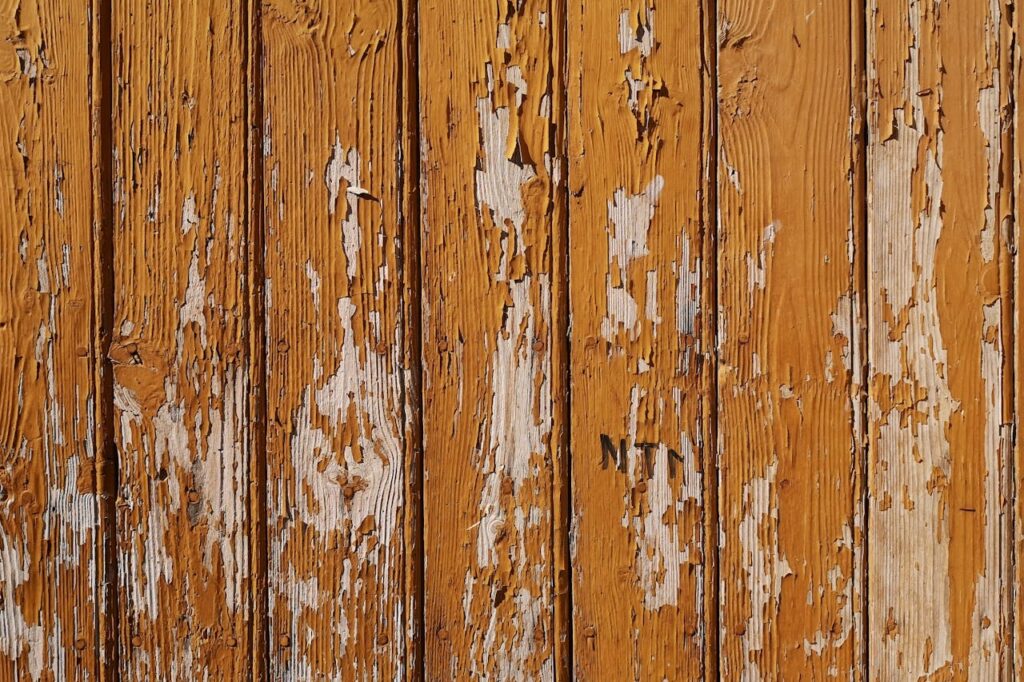
Staining penetrates the surface of the wood. It doesn’t just sit on top like paint. That deep absorption helps seal the wood fibers. It locks out water while still allowing the wood to breathe. Stains often contain ingredients that resist mold and mildew. Some also contain compounds that discourage insect nesting. With the right product and a clean surface, staining creates a protective shell. That layer shields against decay and gives insects fewer reasons to move in.

Importance of Timing and Maintenance

To get the utmost benefit, fence staining should be done on a regular schedule. Most fences need fresh stains every two to three years. Climate plays a role. Wet or humid areas may need more frequent applications. Drier regions may go a bit longer. The key is to inspect yearly. If water no longer beads up on the surface, it’s time to reapply. Spring and fall are ideal times for the task. These seasons offer the right mix of temperature and moisture conditions for the stain to bond effectively.

Signs It’s Time to Act

If your fence has soft spots, green or black patches, or crumbling wood, rot may already be active. Insects leave their clues sawdust trails, small holes, or winged swarms nearby. These are warning signs that protective staining is overdue. Don’t wait for the structure to collapse. Early detection allows for spot treatment and re-staining. Once damaged areas are repaired, apply …

Home

Amazing Backyard Ideas to Create Your Own Summer Oasis

Summer is just around the corner, and it’s time to transform your backyard into a personal paradise. Picture this: warm evenings filled with laughter, the scent of delicious food wafting through the air, and cozy gatherings with family and friends. Your outdoor space can be more than just grass and a few chairs—it can be an oasis where memories are made. Whether you’re planning intimate dinners under the stars or fun weekend barbecues, there are endless possibilities to elevate your yard. Let’s dive into some amazing ideas that will help you create a summer retreat right outside your door. Get ready to unleash your creativity!

Install an Outdoor Kitchen

Imagine whipping up your favorite meals while enjoying the fresh air. An outdoor kitchen brings that dream to life. It’s not just a space for cooking; it becomes the heart of your summer gatherings. As part of your landscaping upgrades, begin with essential appliances like a grill, sink, and refrigerator.

Stainless steel finishes add a sleek touch that withstands the elements. For an added flair, consider incorporating a pizza oven or a smoker to impress your guests. Countertops are vital, providing ample prep space. Choose materials that blend style and durability—granite or concrete can work wonders here.

Create a Cozy Fire Area

Transform your backyard into a warm retreat by creating a cozy fire area. Imagine gathering with friends under the stars, sharing stories around crackling flames. Start with a safe and stylish fire pit. Opt for materials that blend well with your landscape, like stone or metal. This focal point can be both functional and beautiful. Surround your fire pit with comfortable seating options. Think cushioned benches or colorful outdoor chairs that invite relaxation. Add soft blankets to keep everyone snug as the evening cools down.

Create Comfortable Seating Areas

Comfortable seating areas are essential for enjoying your backyard oasis. Think beyond traditional lawn chairs and explore options that invite relaxation. Consider adding plush outdoor sofas or oversized bean bags. They create an inviting atmosphere for gatherings with friends and family. Throw in some vibrant cushions to enhance comfort and style. Hammocks are another fantastic addition, perfect for lazy afternoons. Hang one between trees or invest in a freestanding model to sway gently while you read a book or take a nap.

Incorporate Shade Solutions

Shade solutions are essential for any backyard oasis. They provide relief from the sun, allowing you to enjoy your outdoor space comfortably. Consider installing a stylish pergola or gazebo. These structures not only offer shade but also add architectural interest. You can drape fabric or climbing plants over them for an even more inviting atmosphere.


If you prefer something simpler, large umbrellas work wonders too. Position them strategically over seating areas or dining tables to create instant cool spots. Transforming your backyard into a summer oasis is an exciting project that can enhance your outdoor living experience. With the right features, you can create a space where relaxation and enjoyment come together seamlessly. Taking …

Home

Choosing the Right Fence for Your Home: Balancing Security, Privacy, and Aesthetics

When it comes to creating a safe and inviting space for your family, a few elements are as important as the right fence. A well-chosen fence can serve multiple purposes: it can offer security, provide privacy, and enhance the aesthetics of your home. Whether you’re looking to keep pets in or intruders out, a fence is an essential feature that brings peace of mind. But how do you decide which type of fence best suits your needs? With various options available each offering unique benefits, it’s crucial to consider factors like security levels, privacy requirements, and design preferences. The perfect fencing company doesn’t just enclose your property; it complements its character while serving practical functions.

The Importance of a Fence for Your Home

A fence is more than just a boundary; it’s a vital component of your home environment. It provides security, creating a physical barrier that deters potential intruders and keeps unwanted visitors at bay. This sense of safety can be invaluable for families, especially those with children or pets. Beyond security, fences also establish privacy. A well-placed fence allows you to enjoy your outdoor space without the prying eyes of neighbors or passersby. Whether it’s lounging in the sun or hosting gatherings, privacy enhances your experience at home. Additionally, fences contribute significantly to curb appeal.

Factors to Consider When Choosing a Fence

Choosing the right fence involves several key factors. First, consider your primary purpose for installing a fence. Is it for security, privacy, or simply to enhance curb appeal? Next, evaluate local regulations and zoning laws. These can dictate the height and type of materials you can use. Ignoring them may lead to fines or forced removal. The climate also plays a role in material selection. For instance, wooden fences may be beautiful but could warp in humid conditions.

Security: Types of Fences That Provide Maximum Protection

When it comes to security, not all fences are created equal. If protection is your primary concern, consider options that prioritize durability and resilience. Chain-link fences are a popular choice for many homeowners. They provide visibility while still creating a barrier. For an added layer of security, you can install barbed wire atop the chain link. For those seeking sturdiness, vinyl or composite fencing offers strength without sacrificing appearance. These materials resist wear and tear better than wood and require less maintenance. Metal privacy fences made from aluminum or wrought iron deliver both beauty and brawn. Their robust structure makes them difficult to breach.

Privacy: Fences That Offer Seclusion and Peace of Mind

When it comes to creating a tranquil retreat in your backyard, privacy fences are essential. They transform your outdoor space into a personal haven, away from prying eyes. Wooden fences are a popular choice for their natural look and solid barrier against view. Tall panels can effectively shield you from neighbors while providing an inviting ambiance. Vinyl fencing also excels in the privacy department. It offers sleek lines and durability with minimal maintenance perfect for those who …

Home

Tips to Consider When Moving to a New Home

Moving to a new home is an exciting adventure, but it can also be overwhelming. Whether relocating across town or to a different city, the process involves careful planning and execution. From finding a man with van service in Ealing to settling into your new house, each step plays a crucial role in making your transition smooth and enjoyable. This guide will provide you with essential tips that can help ease the stress of moving while ensuring that your new space feels like home from day one. Let’s dive into some practical strategies for packing, organizing, and personalizing your new abode.

Packing and Organizing Tips

unpack

Packing can feel like a daunting task, but it doesn’t have to be. Begin by decluttering your stuff. Go through each room and decide what you truly need. Donate or sell items that no longer serve a purpose. Next, gather quality packing supplies. Use sturdy boxes, bubble wrap, and packing tape to protect your valuables during the move. Labeling each box will save you time when unpacking in your new house. Pack one room at a time for better organization. Begin with less frequently used spaces and work toward high-traffic areas like the kitchen and living room. Consider creating an essentials box with items you’ll need immediately upon arrival—think toiletries, clothes, and important documents. This way, you’ll avoid digging through multiple boxes on your first night in the new home.

Hiring Professional Movers vs DIY Moving

When deciding whether to hire professional movers or tackle the move yourself, consider your budget and time constraints. Professional movers come with experience and efficiency. They can often handle heavy lifting better than the average person. On the other hand, DIY moving allows for more flexibility in planning. You can pack at your own pace and take breaks when needed. However, it also means gathering supplies like boxes, tape, and a truck rental. Think about how much stuff you have too. If it’s minimal, a DIY approach may work well. But if your house is packed with furniture and sentimental items, professionals might reduce stress significantly.

Making Your New House Feel Like Home

Creating a sense of belonging in your new house starts with personal touches. Hang artwork that resonates with you, whether it’s family photos or pieces from local artists. Consider using warm colors on the walls and adding cozy textiles. Soft blankets and plush cushions can instantly elevate any room’s comfort level. Introduce greenery to breathe life into your space. Houseplants not only purify the air but also add vibrancy and warmth. Don’t forget about scents. Candles or essential oil diffusers can create an inviting atmosphere that feels uniquely yours. Take time to explore every corner of your new home. Discover how natural light shifts through the rooms at different times of day—this connection will help deepen your relationship with the space around you.

Moving to a new home is an exciting journey filled with opportunities. With the right approach, you can navigate this transition smoothly. Embrace …