

Preventing Wood Rot and Insect Damage Through Regular Fence Staining on Your Property
Wooden fences offer both function and beauty. They define space, guide movement, and add character to a property. But wood doesn’t last forever on its own. Constant exposure to sun, rain, and soil creates the perfect environment for rot and insect activity. Without protection, even treated wood can break down over time. Once deterioration starts, repairs can be costly and time-consuming. That’s why fence staining matters on farms prevention is simpler, and staining plays a big role in that.
What Causes Wood Rot?
Wood rot is caused by fungi that thrive in damp conditions. When wood stays wet for extended periods, it softens and becomes the perfect host. Fungal spores settle in and begin to break down the fibers. You’ll first notice discoloration, then softness, then eventual crumbling. Posts that touch the soil or sit in shaded areas are especially vulnerable. Rain and humidity make it worse. Regular staining helps block moisture from seeping in, which cuts off the fungi’s chance to grow in the first place.
Insects Love Weak Wood
Termites, carpenter ants, and boring beetles target unprotected wood. These insects don’t just pass through they live, feed, and multiply within the fence. Soft or untreated areas are easy to penetrate. Once inside, they weaken the structure from the inside out. In some cases, damage isn’t visible until the fence begins to lean or break. Stain acts as a barrier. It repels moisture and deters insects by making the wood denser and harder to access. This simple measure helps ensure your fence stays solid and pest-free for longer.
How Staining Guards Against Damage
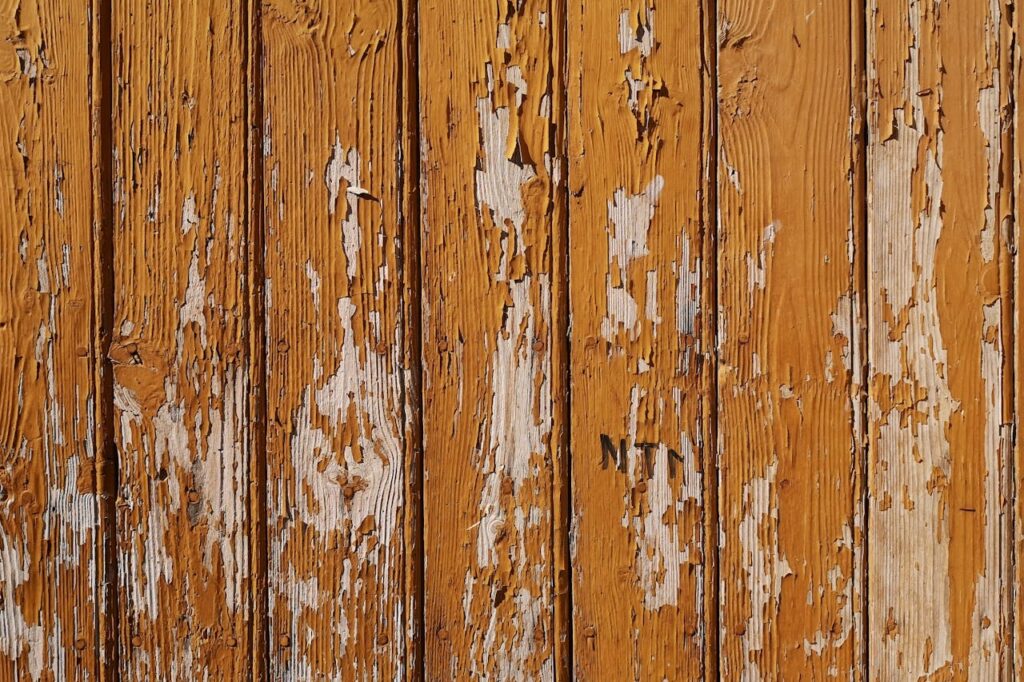
Staining penetrates the surface of the wood. It doesn’t just sit on top like paint. That deep absorption helps seal the wood fibers. It locks out water while still allowing the wood to breathe. Stains often contain ingredients that resist mold and mildew. Some also contain compounds that discourage insect nesting. With the right product and a clean surface, staining creates a protective shell. That layer shields against decay and gives insects fewer reasons to move in.
Importance of Timing and Maintenance
To get the utmost benefit, fence staining should be done on a regular schedule. Most fences need fresh stains every two to three years. Climate plays a role. Wet or humid areas may need more frequent applications. Drier regions may go a bit longer. The key is to inspect yearly. If water no longer beads up on the surface, it’s time to reapply. Spring and fall are ideal times for the task. These seasons offer the right mix of temperature and moisture conditions for the stain to bond effectively.
Signs It’s Time to Act
If your fence has soft spots, green or black patches, or crumbling wood, rot may already be active. Insects leave their clues sawdust trails, small holes, or winged swarms nearby. These are warning signs that protective staining is overdue. Don’t wait for the structure to collapse. Early detection allows for spot treatment and re-staining. Once damaged areas are repaired, apply …