Ecological Home Renovation: How to Retrofit Existing Houses Sustainably
Sustainable housing is no longer just for new builds; existing homes are joining the movement. Reports like those on https://www.wz.de/ratgeber/haus-und-garten/oekologisches-bauen-ein-blick-in-die-zukunft_aid-111635403 highlight how older properties can be upgraded without tearing them down. Retrofitting lets homeowners keep their space while cutting energy waste and creating healthier living environments.
Improving Insulation for Lasting Comfort
Insulation is one of the first steps to upgrading an older home sustainably. Adding insulation in walls, attics, and under floors helps reduce energy loss, meaning less reliance on constant heating or cooling. The result is a home that feels warm in winter and cooler in summer without skyrocketing bills. For many, this upgrade also improves soundproofing, making the home quieter and more peaceful. It’s like wrapping your house in a blanket that works year-round. With the right materials, insulation can have a big impact while remaining eco-friendly.
Switching to Renewable Energy Sources
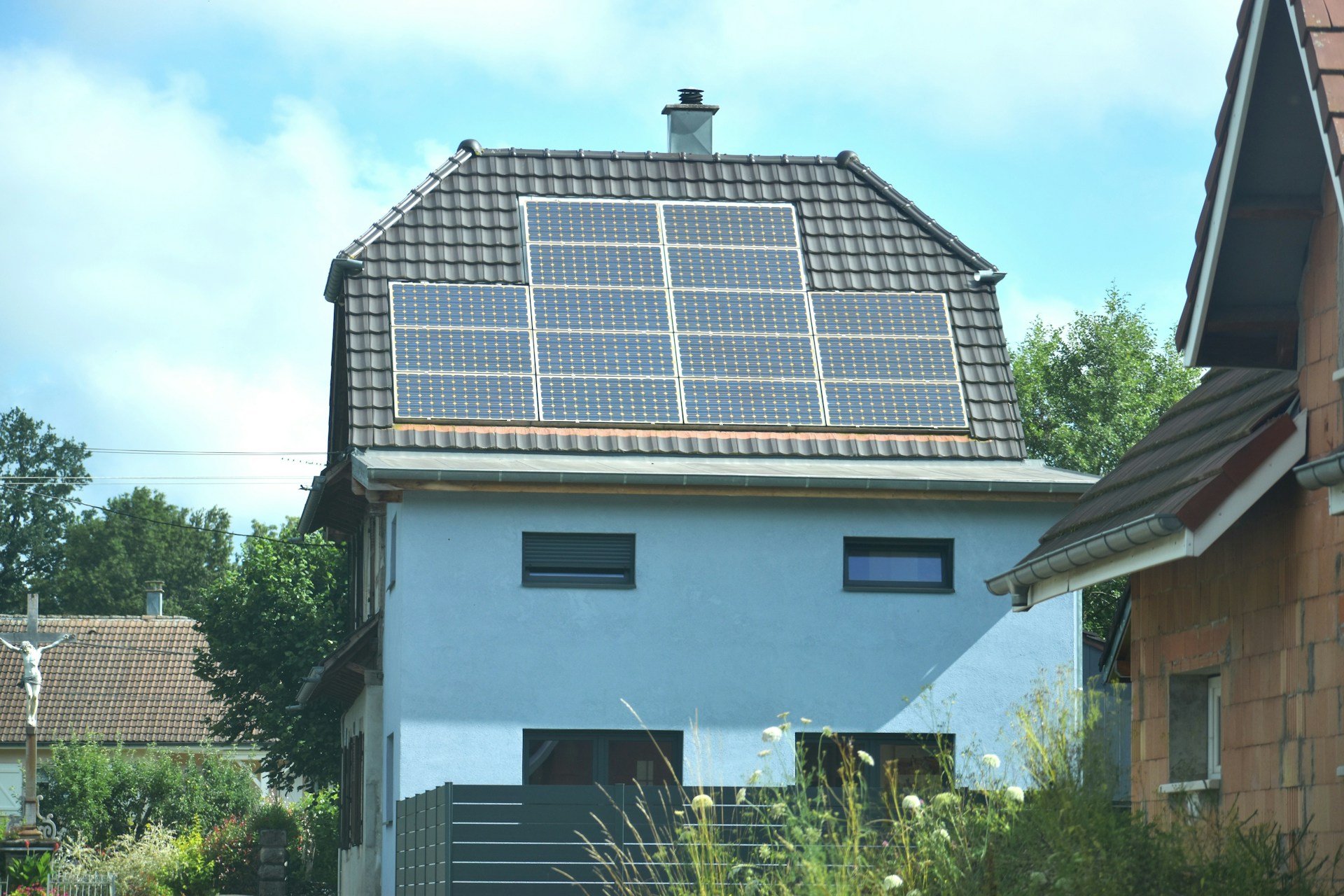
Another retrofit that’s becoming common is the switch to renewable energy. Solar panels are the obvious choice, but small wind turbines and geothermal heating systems also make an appearance in some projects. These changes cut down on fossil fuel use and shrink monthly energy costs over time. While the upfront price can feel steep, many homeowners find incentives or rebates that soften the blow. Think of it as planting an orchard—you invest once, and it keeps producing. Over the years, the savings on energy bills can make up for the initial spend.
Upgrading Windows and Doors
Old windows and drafty doors are notorious for wasting energy. Double or triple-glazed windows and modern, sealed doors make an immediate difference in both comfort and efficiency. Beyond energy savings, they also reduce noise from outside and improve overall security. This kind of upgrade may not be flashy, but it’s incredibly practical. Most homeowners notice the benefits right away, from steadier indoor temperatures to lower energy bills. It’s like giving your house new eyes that see better and breathe less.
Water Efficiency Retrofits
Reducing water waste is another crucial piece of sustainable renovation. Low-flow showerheads, dual-flush toilets, and water-efficient taps help minimize everyday consumption without sacrificing comfort. Some homeowners go further by installing rainwater harvesting systems to reuse water for gardens or flushing. Small changes like these add up over time, both financially and environmentally. A dripping tap may seem minor, but it can waste gallons over a year. Retrofits focused on water efficiency help prevent that loss while making homes more self-sufficient.
Choosing Sustainable Building Materials
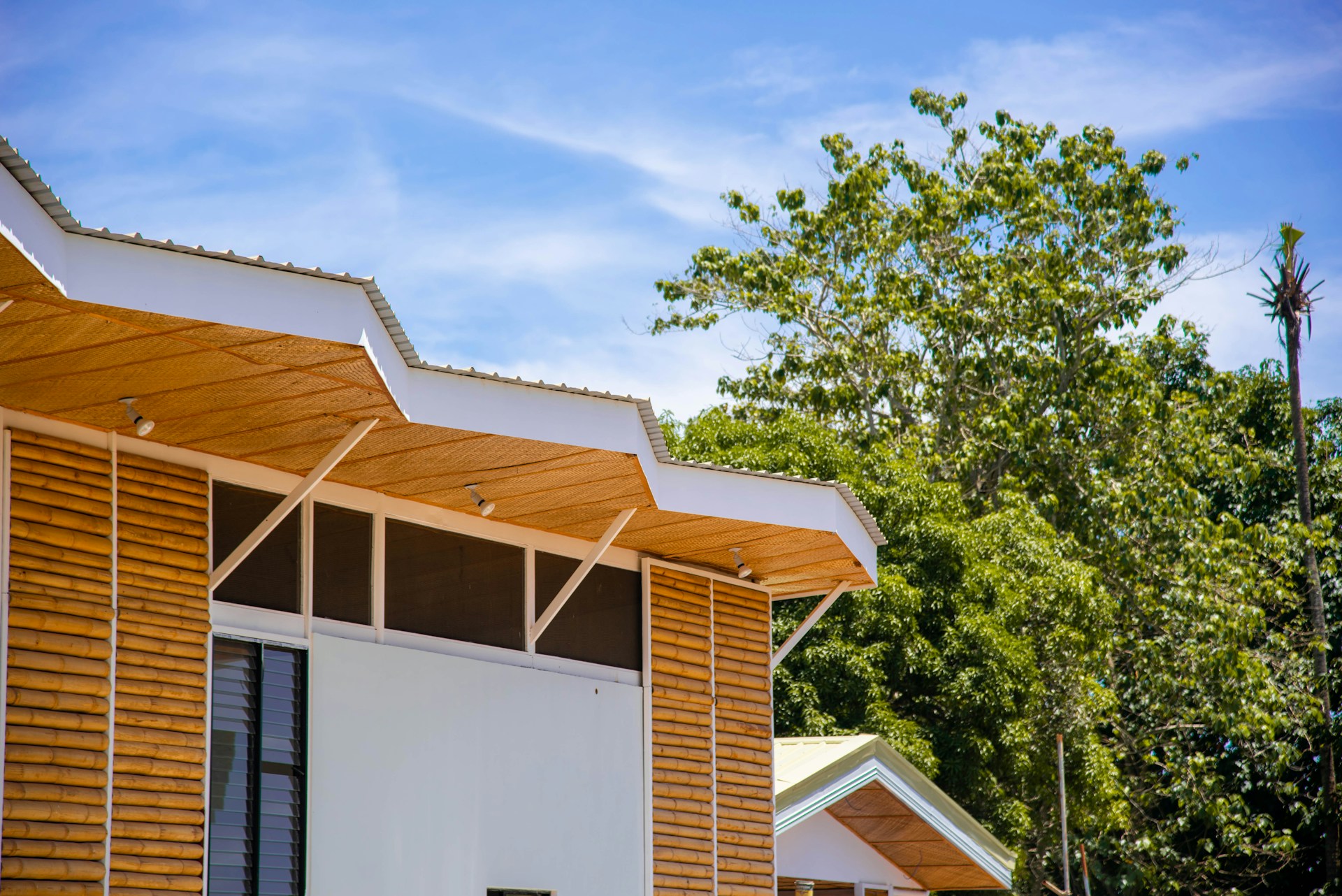
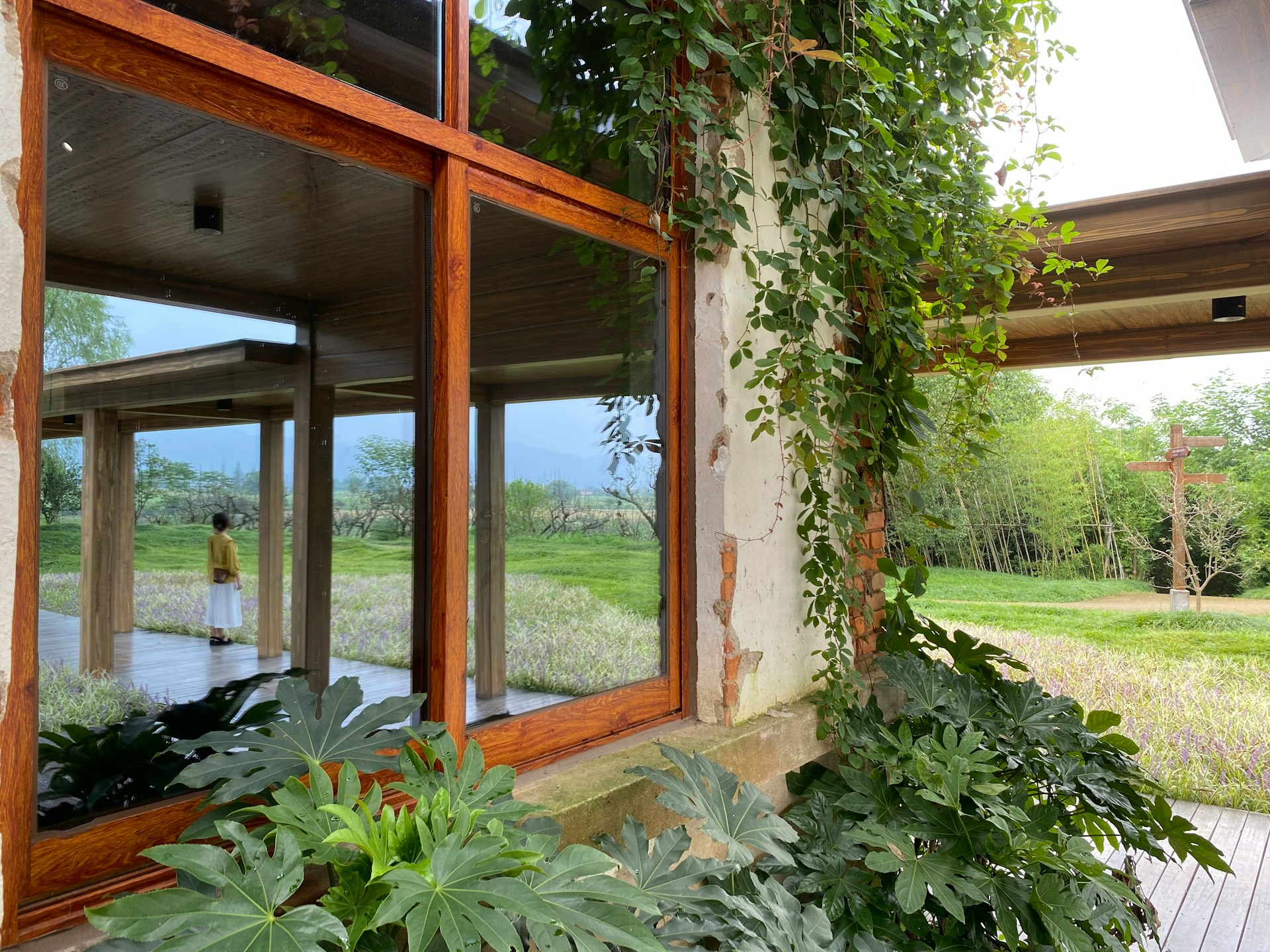
When retrofitting, the choice of materials matters as much as the design. Recycled wood, bamboo, reclaimed stone, and other natural products reduce the environmental footprint of construction. They also bring warmth and character to spaces that modern synthetic materials can’t replicate. Homeowners who think creatively often find affordable and stylish options through reclaimed suppliers. It’s not just about reducing waste—it’s about giving old materials a second life. The charm of a recycled beam or stone wall can’t be replicated by new products.
Ecological retrofits are changing the way people think about older homes. …