
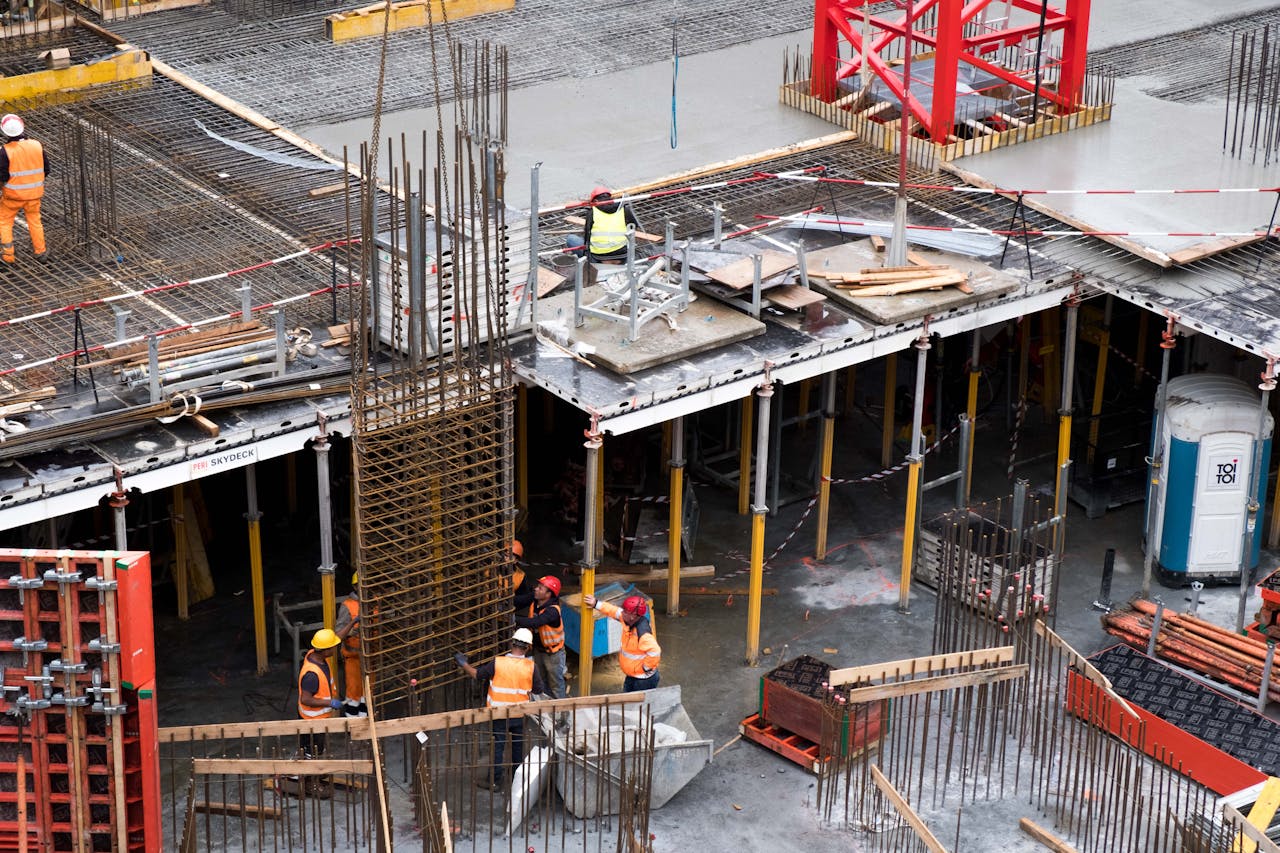
The Latest Innovations in Sustainable Construction Practices
Welcome to the exciting world of sustainable construction. In a time when environmental consciousness is at an all-time high, the building industry is stepping up its game with innovative practices that reduce our carbon footprint and create healthier spaces for us to live and work in. From green materials to energy-efficient systems, let’s delve into the latest advancements shaping the future of construction. However, with all these innovations, it will only be useful if there is enough construction staff to work on projects. If you want to know how it can affect the industry, visit https://ratgeber.blauarbeit.de/dienstleister/personalmangel-bau. So, buckle up as we explore how sustainability meets creativity in building design.
Green Building Materials
 When it comes to sustainable construction, the choice of materials plays an important role in reducing environmental impact. Green building materials are sourced responsibly, have minimal carbon footprint during production, and can be recycled or reused. One popular option is bamboo, known for its rapid growth and durability.
Recycled steel is another eco-friendly alternative that helps reduce waste while providing structural strength. Additionally, using reclaimed wood adds character to a building and prevents deforestation. For insulation purposes, natural materials like cork and wool are gaining popularity for their thermal properties and renewable sourcing.
Passive Design Strategies
Passive design strategies are a game-changer in sustainable construction, harnessing the power of nature to create comfortable and energy-efficient buildings. By strategically placing windows to maximize natural light and ventilation, buildings can reduce their reliance on artificial lighting and HVAC systems. By using thermal mass materials like concrete or brick, it helps regulate indoor temperatures by absorbing and releasing heat slowly, reducing the need for heating or cooling. Additionally, proper insulation ensures that the building retains heat in winter and stays cool in summer without excessive energy consumption. Shading elements such as overhangs or louvers can prevent overheating during peak sunlight hours while allowing natural light to filter through. Coupled with efficient orientation based on the sun’s path throughout the day, passive design strategies optimize comfort levels while minimizing environmental impact.
Energy-Efficient Systems
Energy-efficient systems are revolutionizing the construction industry by significantly reducing energy consumption and lowering utility costs for building owners. These innovative technologies, from smart thermostats to solar panels, are designed to optimize energy usage while minimizing environmental impact. One of the key components of energy-efficient systems is advanced insulation materials that help regulate indoor temperatures and reduce the need for heating and cooling appliances. Also, high-performance windows with low emissivity coatings can prevent winter heat loss and minimize summer heat gain. Renewable energy sources like solar power are increasingly integrated into building designs to generate electricity on-site, further reducing reliance on traditional grid power. Energy recovery ventilation systems capture and reuse waste heat or cool air from exhaust streams to improve indoor air quality while conserving energy.
Green Roofs and Living Walls
 Green roofs and living walls are not just trendy design elements; they are vital in sustainable construction practices. Green roofs, covered with vegetation, help reduce heat …
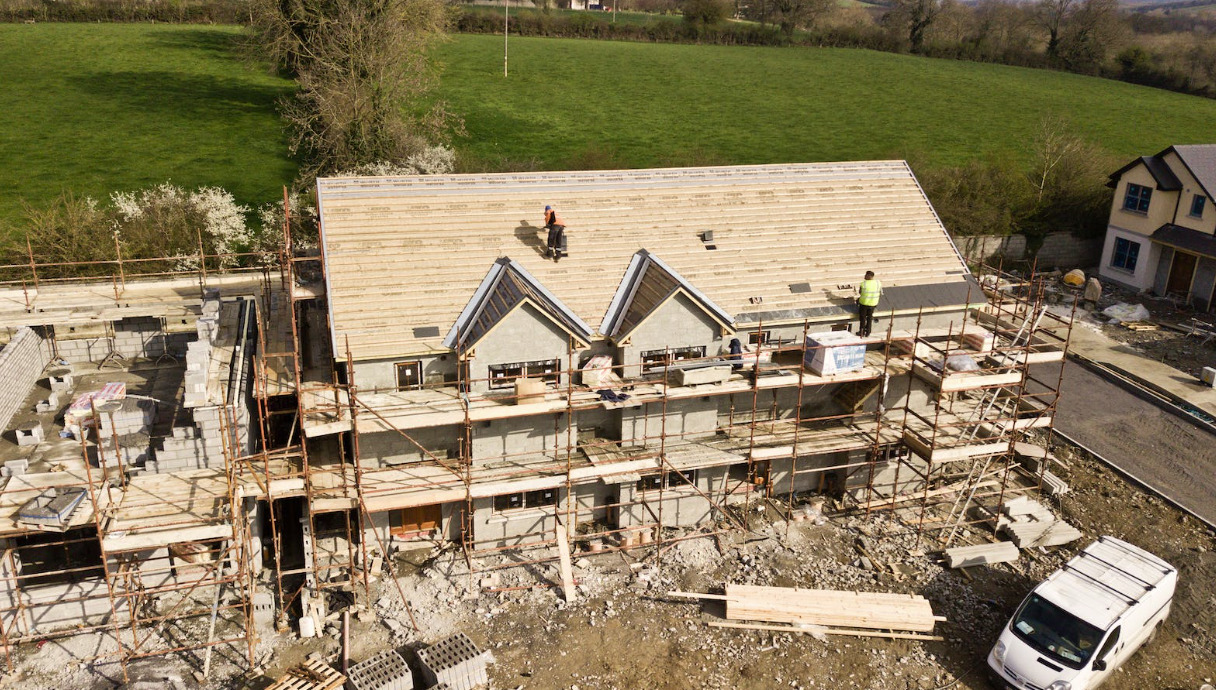
 When searching for reliable roofing contractors in your area, one of the first steps you should take is to check online reviews. This can provide valuable insights into the experiences of previous customers and give you an idea of what to expect from a particular contractor. Start by visiting popular review websites.
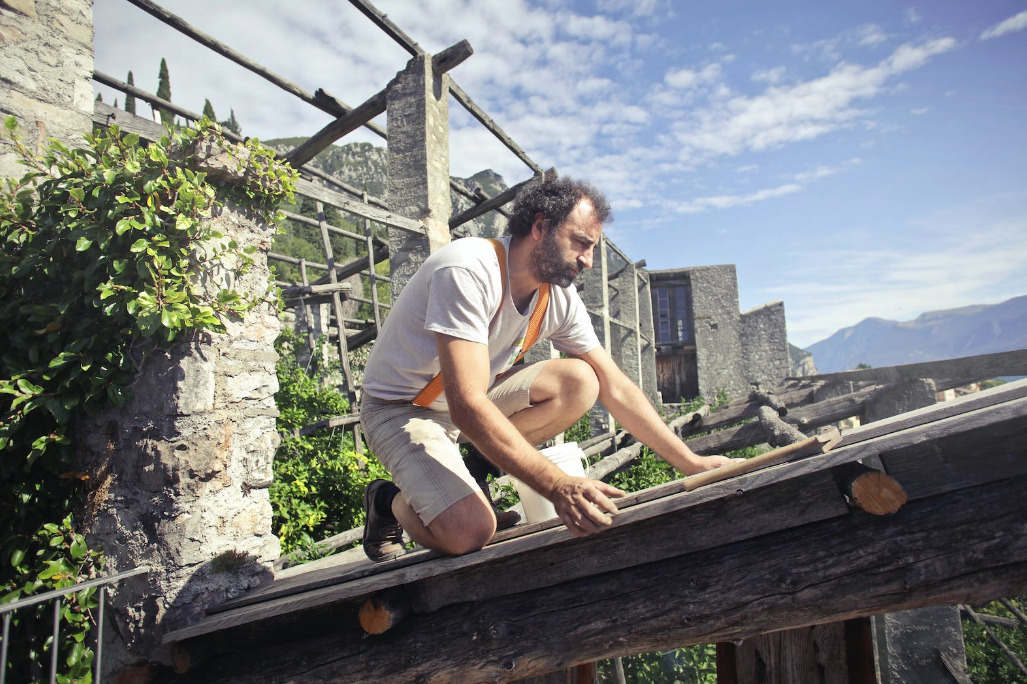 Seeking recommendations from family, friends, and neighbors is a valuable way to find reliable roofing contractors in your area. These individuals can provide firsthand experiences and insights that you won’t find online or through other sources. Start by asking those around you if they have recently had their roof repaired or replaced.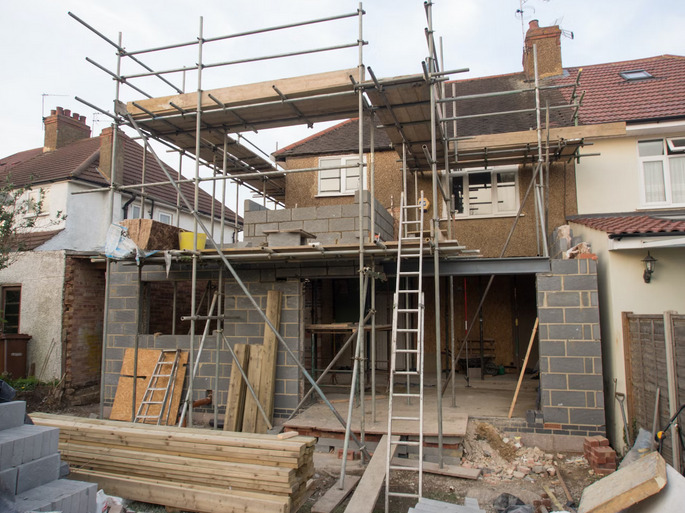
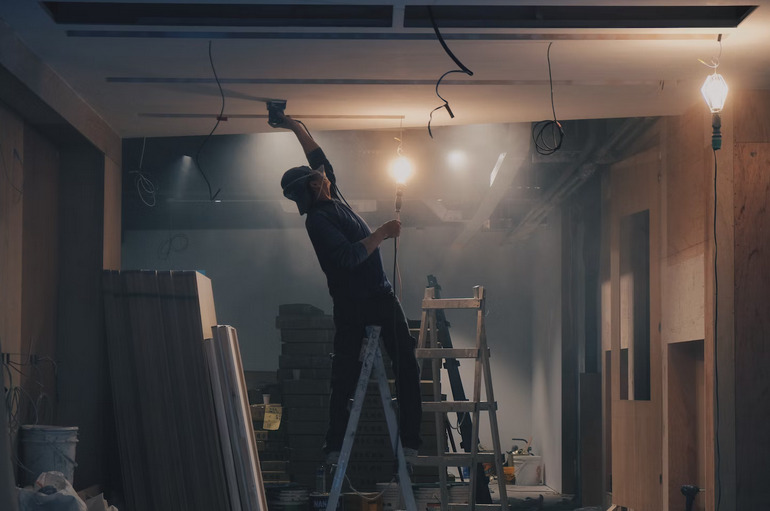
 When building your dream home, getting caught up in the excitement of designing the perfect living space is easy. However, many homeowners make a costly mistake by ignoring zoning and building regulations. It may seem tedious, but adhering to these regulations is crucial for several reasons. Zoning laws are put in place to ensure that buildings are constructed in appropriate areas based on factors such as land use, density, and aesthetics. By disregarding these regulations, you risk legal consequences and potential conflicts with neighbors or community members who have followed the rules. Additionally, building codes exist to promote safety standards and protect both residents and structures from harm.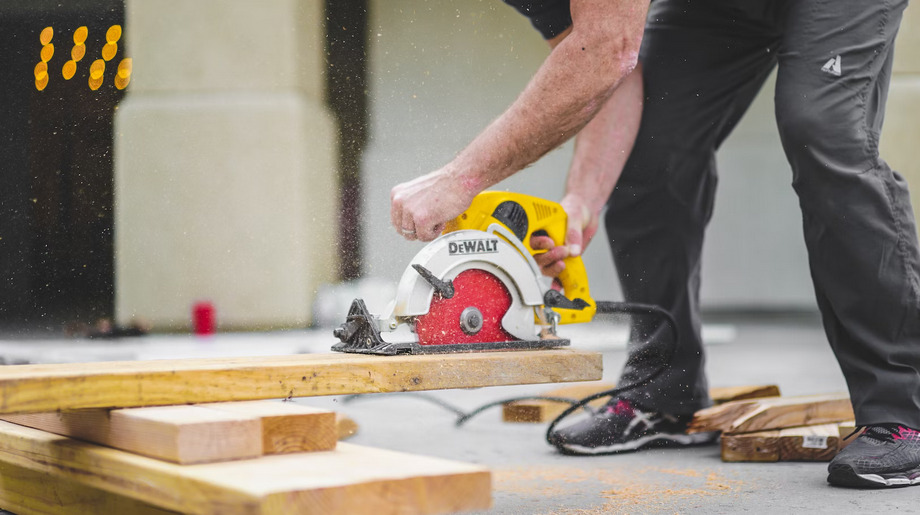
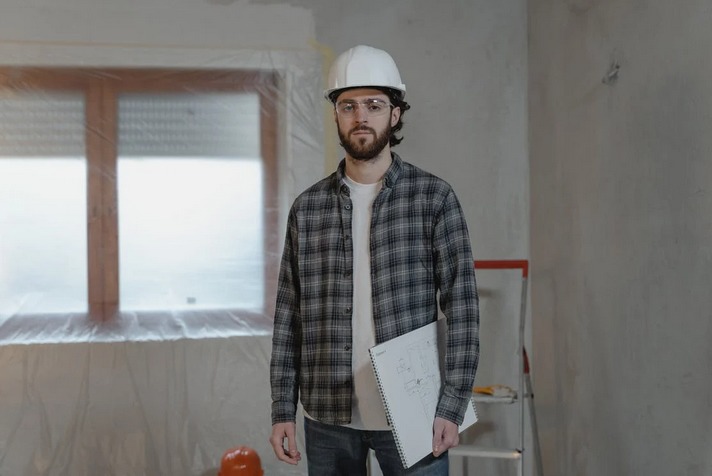
 The first thing you should consider is the experience of the builder. How long has the builder been in business? What kind of projects have they completed? Do they have a good reputation? You can find out this information by doing some research online or asking around for recommendations. If the builder is experienced, they will likely have a good understanding of the construction process and will be able to complete your project on time and within budget.
 Another important thing to consider is the builder’s success rate. How many of their projects have been completed on time and a budget? Do they have a lot of satisfied customers? You can find this information by reading online reviews or asking for recommendations from people you trust. If the builder has a high success rate, they’re likely doing something right. They’re probably experienced, efficient, and have a good network of suppliers and subcontractors. On the other hand, if the builder has a low success rate, you might want to think twice before hiring them.
 Make sure that the builder is accredited and licensed. This will give you peace of mind knowing they are qualified to do the job. You can find this information by asking the builder or checking their website. Accreditations and licenses show that the builder is committed to meeting industry standards.