Prefabricated houses have gained significant attention in recent years as more people look for affordable, energy-efficient, and faster ways to build a home. While modern prefab homes have come a long way from their early designs, many buyers still have one important question in mind: are they built to last? Some people assume that because these homes are manufactured in factories, they may not be as durable as traditionally built houses. However, experts suggest that today’s prefabricated homes are designed to meet strict construction standards and can offer impressive longevity when built and maintained properly.
What Experts Are Saying About Modern Prefabricated Homes
Industry experts have become increasingly optimistic about the future of prefabricated housing, especially as demand continues to grow across Europe. According to nn.de/ratgeber/nurnberger-experte-prognostiziert-comeback-fur-fertighauser-ab-2026-1.15144856, specialists believe prefabricated homes are well positioned for a strong comeback thanks to improvements in construction technology, energy efficiency, and growing buyer confidence. These developments reflect how far the industry has progressed compared to the prefabricated homes of previous decades.
High Manufacturing Standards to Improve Durability
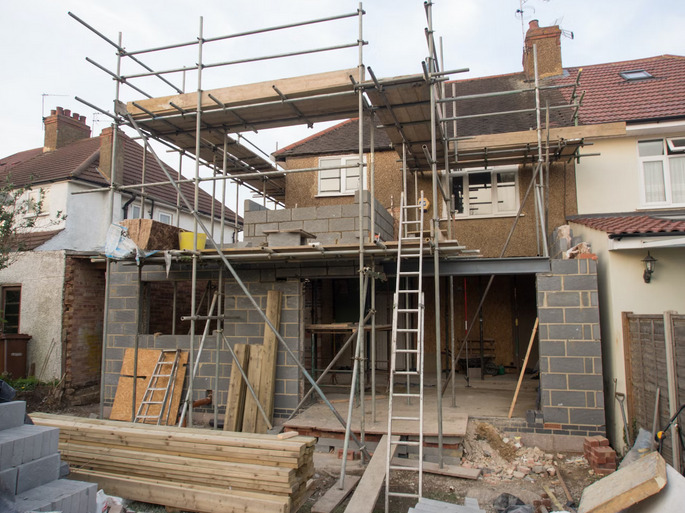
One of the biggest reasons modern prefabricated houses last for decades is the way they are built. Unlike traditional homes that are exposed to changing weather conditions during construction, prefab homes are assembled inside controlled factory environments. This process helps protect building materials from excessive moisture, extreme temperatures, and unexpected delays. Factories also rely on advanced machinery and strict quality inspections throughout the production process. Every wall panel, roof section, and structural component is measured with precision before it reaches the building site. This level of consistency reduces construction errors that sometimes occur with conventional building methods.
Quality Materials to Make a Big Difference
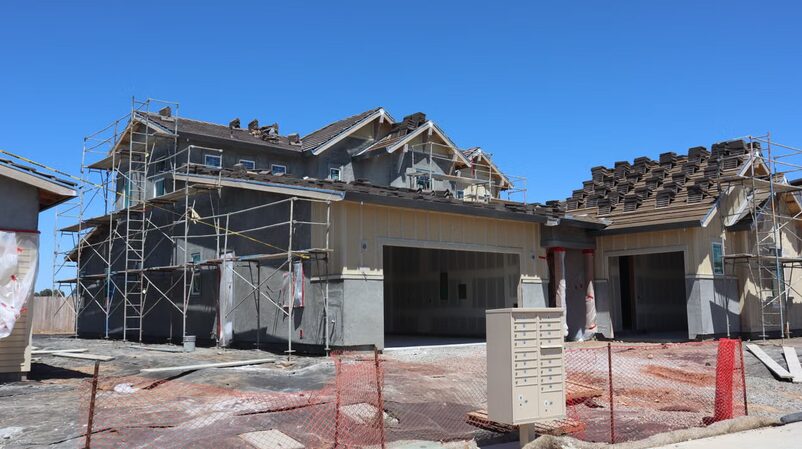
The durability of any house depends heavily on the materials used, and prefabricated homes are no exception. Reputable manufacturers use high-quality timber, steel, concrete, insulation, and engineered wood products that are designed to meet national building regulations. Many modern prefabricated homes also include weather-resistant materials that help protect the structure from moisture, pests, and changing climate conditions. As long as homeowners choose a trusted manufacturer and perform regular maintenance, these materials can provide reliable performance for many decades.
Proper Maintenance
Even the strongest house requires regular care. Experts often point out that maintenance has a greater impact on a home’s lifespan than the construction method itself. Roof inspections, exterior painting, drainage maintenance, and timely repairs all help preserve the structural integrity of a prefabricated house. Homeowners who address small issues before they become larger problems can significantly extend the life of their property. Just like conventional homes, prefabricated houses benefit from consistent upkeep and routine inspections.
Energy Efficiency That Adds Long-Term Value
Modern prefabricated homes are designed with energy efficiency in mind. Advanced insulation systems, airtight construction techniques, and energy-efficient windows all contribute to lower heating and cooling costs throughout the year. These features do more than reduce monthly utility bills. They also help protect the building itself by minimizing moisture buildup and improving indoor climate control. Better energy performance often translates into improved comfort and lower maintenance costs over the long term, making the home more valuable for future buyers.
Changing Perceptions Among Homebuyers
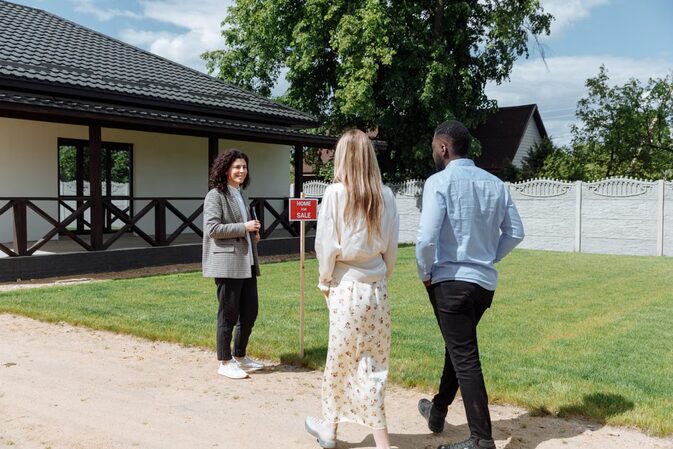
For many years, prefabricated houses struggled with an outdated reputation. Older models created the impression that prefab construction was only suitable for temporary housing or budget-conscious buyers. Today’s reality is very different. Modern designs offer attractive architecture, customizable layouts, and premium finishes that rival traditional custom-built homes. As more homeowners experience the quality of contemporary prefabricated houses, public confidence continues to grow. This changing perception is encouraging more buyers to seriously consider prefab homes as a permanent housing solution.
How Long Can a Prefabricated House Really Last?
Experts generally agree that a well-built prefabricated home can last just as long as a conventionally constructed house. Many modern prefab homes are expected to remain structurally sound for 50 to 100 years or even longer when properly maintained. In fact, the lifespan depends less on whether the house was factory-built and more on the quality of construction, materials, location, and ongoing maintenance. Advances in engineering, manufacturing technology, and building standards have significantly improved the durability of prefabricated homes. As a result, buyers can feel more confident that they are investing in a property designed for long-term use rather than a short-term solution.
Modern prefabricated houses have proven that they are much more than a passing trend. Thanks to improved construction methods, high-quality materials, and strict manufacturing standards, they can provide durability that matches traditional homes. With proper maintenance and careful planning, a prefabricated house can remain a comfortable, efficient, and reliable home for generations to come.